
There was a time when technology simply supported daily life—helping us work faster, clean easier, and communicate quicker. Today, it doesn’t just assist us; it thinks with us. Artificial intelligence and automation have quietly reprogrammed what we understand as modern day living, reshaping routines, redefining work, and even redesigning the architecture of our personal identities. What used to be considered futuristic is now invisible, integrated, and intimately tied to how we function.
AI is no longer an add-on—it’s the nervous system of modern day living. From the way your coffee machine anticipates your morning to how your car predicts the best route to avoid traffic, machine learning algorithms are silently adapting to human patterns. Automation, on the other hand, is the engine that powers this intelligence, bridging intention with action. Together, they’re not just changing what we do—they’re changing how we exist.
Artificial intelligence and automation have become the foundation of modern day living, silently guiding decisions, routines, and emotions. They simplify life while reshaping work, privacy, and identity. The challenge is not adapting to AI, but staying aware and intentional as technology evolves alongside human thought and behavior.
The Silent Integration of AI in Everyday Life
The most revolutionary thing about artificial intelligence is how seamlessly it blends into modern day living. You don’t notice it, yet it touches almost every decision you make. The predictive text in your emails, the personalized playlists on Spotify, and the curated feeds on your favorite social apps—all operate on data-driven AI models designed to anticipate your preferences before you consciously form them.
This invisible influence has created a new behavioral landscape where choices are less about spontaneity and more about algorithmic suggestion. Convenience has become the new currency, and AI ensures that every moment of modern life feels optimized, if not entirely orchestrated.
Automation and the Redefinition of Work
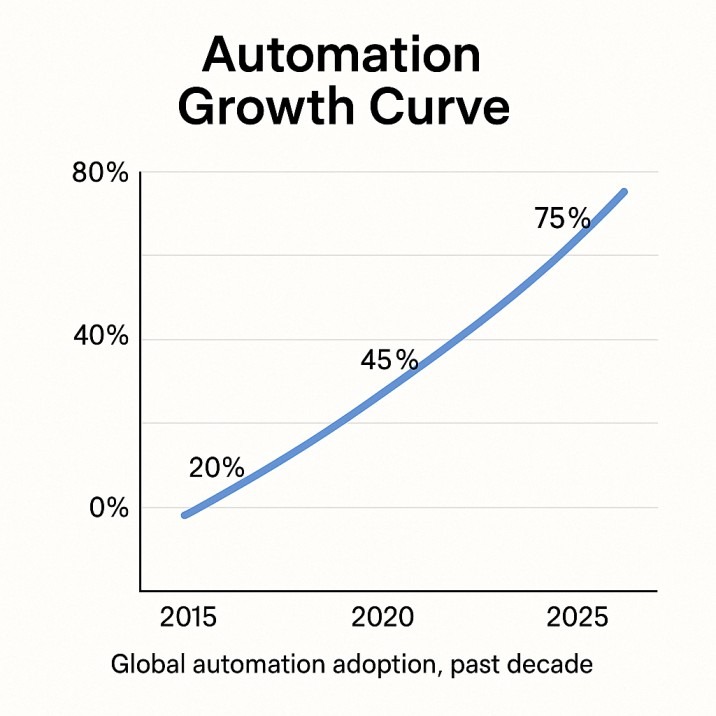
Automation is not just a workplace innovation—it’s a societal shift. In modern day living, automation means efficiency without exhaustion. Tasks once performed by humans are now seamlessly executed by machines that don’t tire, argue, or require coffee breaks. Robotic process automation (RPA) has replaced repetitive workflows, while AI systems analyze data faster than any human team could dream of.
But this also creates a new tension between human creativity and machine precision. The more automation expands, the more it questions what makes human work human. In industries like healthcare, logistics, and content creation, the blend of human oversight and automated performance defines a new hybrid workforce—one that symbolizes modern day living’s constant adaptation.
Smart Homes, Smarter Behaviors
The rise of smart homes perfectly encapsulates how modern day living merges comfort with computation. Lighting systems that adjust to mood, refrigerators that track nutrition, and thermostats that anticipate presence—all represent AI’s subtle hand in shaping behavior. When the home itself begins to “think,” human habits evolve accordingly.
What once required discipline—turning off lights, managing schedules, or even checking weather forecasts—is now handled by predictive systems. Automation creates convenience but also shifts agency; the home becomes a participant in decision-making. Over time, humans in these environments start to adapt their behavior around machine intelligence, leading to a phenomenon known as “technological co-dependence”.
Emotional Algorithms: When Machines Learn Empathy
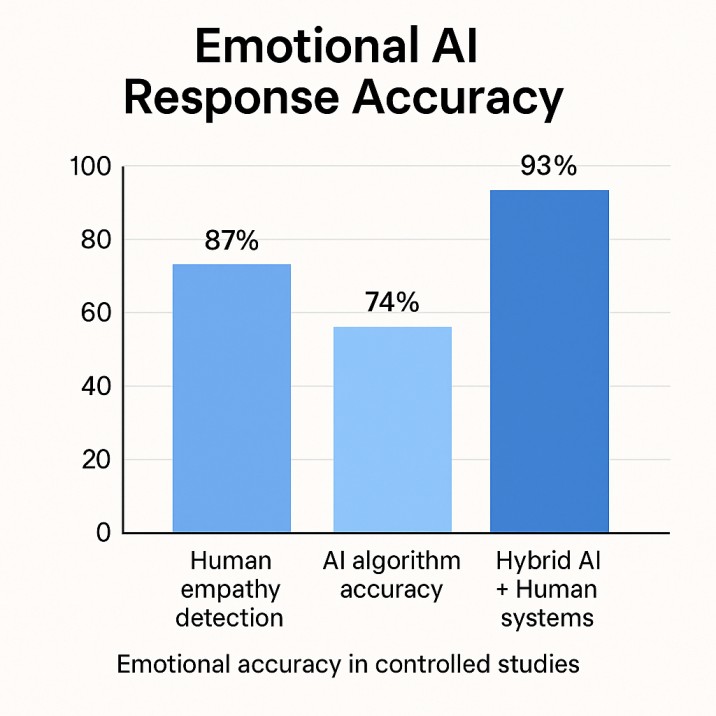
Perhaps the most fascinating (and unsettling) shift in modern day living is emotional AI—the ability of machines to recognize, interpret, and respond to human emotions. Whether it’s your smartwatch detecting stress through heart rate changes or an AI therapist guiding you through cognitive exercises, machines now influence not just how we act but how we feel.
In customer service, AI-driven chatbots can mirror empathy patterns. In healthcare, diagnostic tools adjust recommendations based on emotional cues. The boundary between emotional intelligence and artificial intelligence is blurring faster than expected, forcing us to reconsider authenticity itself.
Redefining Privacy in a Data-Driven World
The more integrated AI becomes in modern day living, the more personal data becomes currency. Every action—whether a voice command to a smart speaker or a grocery purchase online—feeds massive datasets that teach algorithms how to serve us “better.” But this convenience comes with a cost.
Automation requires surveillance to function efficiently, meaning the very systems that simplify our lives also observe them closely. What was once a private routine is now part of a global data exchange. The trade-off between comfort and control has become the ethical dilemma of our time.
The Changing Definition of Intelligence
In modern day living, intelligence is no longer a uniquely human trait—it’s a shared resource. Machines can compose music, diagnose diseases, write coherent essays, and predict economic shifts. This democratization of intelligence challenges traditional hierarchies. The question is no longer “Can machines think?” but rather “Can humans evolve fast enough to think with them?”
Human intellect now expands through collaboration with artificial systems. Those who learn to leverage AI tools amplify their capabilities exponentially. Those who resist risk obsolescence. The future of productivity depends not on separation from AI, but on symbiosis with it.
The Psychological Shift: From Control to Coexistence
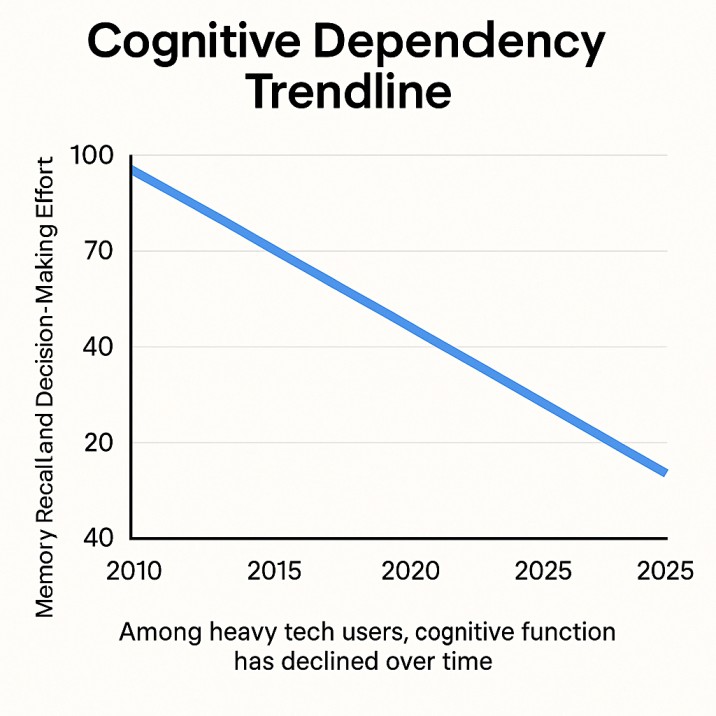
The emotional undercurrent of modern day living is paradoxical—technology liberates us even as it controls us. We experience less friction but also less uncertainty, and uncertainty is what once drove creativity. When algorithms handle complexity, human minds can either ascend to higher thought—or sink into passivity.
Psychologists refer to this as “cognitive outsourcing,” where individuals unconsciously delegate thinking to their devices. GPS navigation replaces spatial memory, streaming algorithms replace discovery, and digital assistants replace planning. The art of deciding becomes a lost muscle. The challenge of this new era isn’t efficiency—it’s awareness.
Conclusion
The ultimate question is not whether AI will dominate modern day living, but whether humans will remain conscious participants in its evolution. As automation expands, life becomes easier—but also more scripted. The opportunity lies in awareness: understanding the invisible code shaping behavior, economy, and identity.
In the next decade, the line between living with technology and through technology will define cultural direction. The most successful societies won’t be those with the most advanced machines but those that balance humanity within the circuitry.
AI is not a storm approaching—it’s the air we already breathe. To live meaningfully in this new world, we must learn to co-evolve. Modern day living is no longer about adaptation alone—it’s about authorship.

Andrea Balint is a writer and researcher focused on human behavior, workplace psychology, and personal growth. Through her work at CareersMomentum, she explores how mindset, leadership, and emotional intelligence shape modern careers. With a background in communication and HR development, she transforms complex ideas into practical insights that help readers build clarity, confidence, and professional purpose.