
Every organization, no matter its size or industry, thrives on one irreplaceable force: its people. Behind the numbers, strategies, and innovations, there’s a department orchestrating the human element with precision and care — Human Resources. Many wonder, why are human resources important when technology now automates so much of business operations? The truth is, HR remains the bridge between organizational goals and human potential, turning abstract visions into measurable achievements.
The Expanding Role of Modern Human Resources
To understand why are human resources important to organizational success, one must first look at how HR goes beyond administrative duties. It is no longer just about hiring or payroll. Today, HR defines the culture, shapes the leadership tone, drives performance management, and ensures employees feel connected to the company’s purpose. Without that connection, even the best strategies fall flat.
The reason why are human resources important lies in their ability to design and maintain a healthy ecosystem — one where every employee understands their value and role. HR transforms individual capabilities into collective strength, aligning people with purpose and process.
Building Adaptability and Trust in Changing Markets
In fast-moving industries, adaptability determines survival. Why are human resources important in such climates? Because they ensure the workforce evolves as fast as the market. By facilitating training programs and skill mapping, HR builds a bridge between present capabilities and future needs. When employees continuously develop, organizations remain resilient.
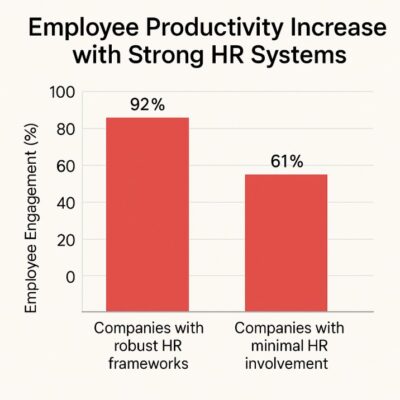
Moreover, HR nurtures trust — the invisible currency of success. Through transparent communication, fair evaluations, and inclusive policies, they create an environment where creativity and collaboration can flourish. It’s not exaggeration to say that when HR functions effectively, morale rises, turnover drops, and productivity spikes. Those are measurable outcomes of an intangible craft.
Balancing Ambition with Employee Well-being
Another layer in understanding why are human resources important is their function as mediators of balance — between organizational ambition and employee well-being. While management aims for growth and performance, HR ensures that pursuit doesn’t come at the cost of burnout or disconnection. Through structured wellness programs and mental health initiatives, they protect the company’s most valuable asset — its people.
Even technology-driven corporations depend on HR for culture. Automation can process data, but only humans interpret values. HR ensures that ethics and empathy remain embedded within business logic. They set the tone for leadership behavior and interpersonal dynamics, determining how people experience their work daily.
The Strategic Power of HR in Business Growth
In smaller organizations, why are human resources important is often questioned due to limited budgets. Yet, even startups that invest early in HR processes scale more sustainably. Without HR, roles blur, expectations misalign, and conflict resolution becomes chaotic. HR acts as the organizational backbone, stabilizing operations so creativity can thrive in structure.
Beyond day-to-day operations, HR serves as a strategic partner in long-term growth. They forecast workforce needs, analyze performance data, and inform executive decisions with human insights that numbers alone can’t reveal. When leadership asks why are human resources important, the answer is simple: they are the interpreters of human potential into business performance.
HR as the Architect of Culture and Belonging
Culture is where HR’s impact becomes most visible. Why are human resources important to company culture? Because they are the architects of belonging. Culture isn’t a mission statement; it’s a lived experience shaped by daily interactions. HR ensures that diversity is not tokenism but inclusion, that recognition is not sporadic but systemic, and that feedback is not criticism but collaboration.
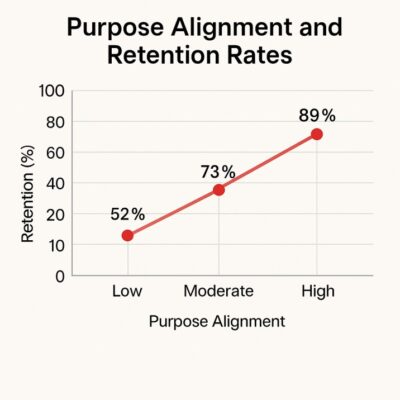
Employees today seek purpose, not just paychecks. HR’s role is to connect that personal drive with organizational direction. When employees see how their contribution matters, their motivation multiplies. This alignment of meaning and mission answers another layer of why are human resources important — because they turn jobs into journeys of growth.
Developing Leadership and Managing Change
Leadership success also depends on HR’s influence. HR trains managers not only to direct but to inspire. They implement coaching frameworks and performance reviews that encourage improvement rather than punishment. This developmental approach fosters trust and drives continuous excellence. Every time a team performs beyond expectations, there’s an HR strategy behind it — subtle but powerful.
When companies face crises — layoffs, restructuring, or external shocks — HR becomes the stabilizing force. They manage transitions with empathy and transparency, ensuring morale and dignity are preserved even in difficult decisions. That resilience reflects the depth of why are human resources important: because they humanize systems when everything else feels mechanical.
Conclusion
Looking ahead, why are human resources important becomes even clearer as automation expands. The future workplace will rely on human-centered leadership to complement AI efficiency. HR will guide organizations through this shift, ensuring ethical AI use, continuous learning, and humane digital transformation. It’s not about replacing humans but redefining their potential.
At the heart of every thriving company lies a simple truth: people power performance. HR ensures that this power is harnessed, nurtured, and celebrated. Why are human resources important isn’t just a question of operational function — it’s a question of identity. HR gives companies their character, humanity, and direction.
To dismiss HR is to overlook the pulse of an organization. To value HR is to recognize that growth and empathy can coexist, that numbers can reflect not only profit but people’s progress. The organizations that understand why are human resources important are the ones that won’t just survive the future — they’ll define it.

Andrea Balint is a writer and researcher focused on human behavior, workplace psychology, and personal growth. Through her work at CareersMomentum, she explores how mindset, leadership, and emotional intelligence shape modern careers. With a background in communication and HR development, she transforms complex ideas into practical insights that help readers build clarity, confidence, and professional purpose.