
In the intricate balance of modern workplaces, few roles demand as much adaptability and emotional resilience as those in Human Resources. While many people perceive HR as a department centered on hiring and paperwork, the truth is far more complex. The debate around whether the human resources salary truly compensates for the scale of its responsibilities has become a frequent topic among both professionals and students choosing their career paths. Beyond paychecks, HR work involves the delicate task of harmonizing human behavior with business goals—an intersection where empathy and economics collide.
The question, then, isn’t just about numbers on a payslip. It’s about whether the rewards—financial, emotional, and developmental—justify the load of strategic and interpersonal demands that come with managing the workforce of a modern organization.
The Real Value Behind a Human Resources Salary
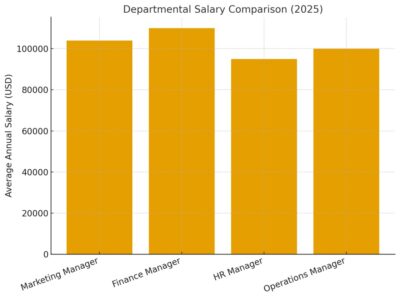
The human resources salary has always varied widely depending on position, industry, and geographic location. In 2025, HR generalists typically earn between $58,000 and $75,000 annually in the United States, while HR managers average close to $95,000. Top-level HR directors or Chief People Officers often exceed $150,000 annually, particularly in high-growth industries like technology and healthcare. But beneath these averages lie sharp differences tied to workload and organizational expectations.
HR professionals serve as the connective tissue between employees and executives, ensuring compliance, fairness, and motivation coexist in one ecosystem. That balancing act often requires strategic foresight, emotional endurance, and technical mastery of labor laws—all of which go beyond what their salary figures might suggest.
Emotional Labor and Invisible Responsibility
One reason the human resources salary is often debated is the emotional labor hidden behind administrative tasks. HR professionals mediate workplace conflicts, conduct layoffs, and handle sensitive complaints about harassment or discrimination. Each of these duties demands emotional maturity and discretion, qualities not easily measured or rewarded financially.
A manager might analyze performance metrics, but an HR professional must analyze people—their morale, adaptability, and future potential. In essence, HR blends psychology, negotiation, and strategy into one demanding profession. Yet the salary often fails to reflect the weight of that emotional responsibility, especially in mid-level positions where individuals face high stress with limited decision-making power.
Comparing HR Pay to Other Business Functions
To determine whether the human resources salary is worth it, context is crucial. When compared to departments such as marketing or finance, HR salaries tend to be slightly lower despite similar managerial expectations. However, HR’s influence on organizational success extends far beyond its compensation.
While marketing might directly drive revenue, HR drives the quality of the workforce that generates it. When HR professionals successfully align hiring, retention, and engagement strategies, they indirectly shape profitability and long-term brand resilience. Many executives recognize that correlation, yet HR’s financial recognition often lags behind its strategic contribution.
This pay disparity sometimes discourages talented individuals from entering the field, but for those who value influence, purpose, and leadership development, the rewards extend beyond the paycheck.
The Future of the Human Resources Salary
As organizations adopt data analytics, AI-driven recruitment, and hybrid work environments, the nature of HR work is evolving. The modern HR professional must be fluent in technology and human psychology alike—a rare combination that is pushing salary levels upward. The integration of AI in HR analytics has redefined what “strategic HR” means, transforming it from an administrative cost center into a decision-making powerhouse.
By 2030, the Bureau of Labor Statistics projects a 7% growth in HR management roles, driven by digital transformation and global workforce challenges. As responsibilities broaden to include predictive analytics, culture architecture, and mental health advocacy, the human resources salary is expected to rise accordingly, especially for those equipped with both soft and technical skills.
When Salary Doesn’t Reflect the Impact
Despite steady pay growth, many HR professionals argue that compensation does not match the burden of expectations. HR is often the first line of response during crises—mass layoffs, regulatory audits, or internal scandals. They carry the responsibility of maintaining ethical consistency while protecting company reputation. Yet, when companies measure productivity in numerical outputs, HR’s intangible contributions—culture, retention, and engagement—remain underappreciated.
The discrepancy between visibility and impact has made HR roles simultaneously rewarding and exhausting. Many professionals describe a paradox: their work determines the company’s health, yet they’re frequently excluded from core strategy discussions or underpaid relative to peers in finance and operations.
Beyond Money: Purpose, Growth, and Influence
For many in HR, purpose outweighs paycheck. The role’s greatest reward often comes from tangible human outcomes—resolving conflicts, fostering inclusion, or guiding employees through personal crises. These accomplishments create a sense of fulfillment that transcends monetary compensation.
Still, professionals seeking both meaning and financial stability often pursue HR analytics, DEI (diversity, equity, and inclusion) strategy, or organizational development roles, where salaries are climbing fastest. In these advanced areas, the human resources salary can exceed traditional ranges, particularly in multinational corporations prioritizing culture transformation and retention optimization.
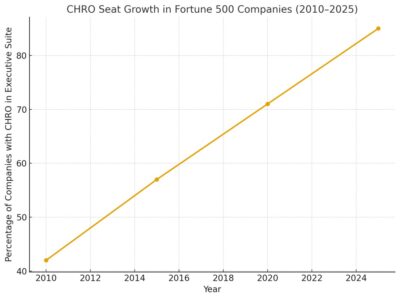
In addition, HR’s growing influence in the executive suite is shifting perceptions. The Chief Human Resources Officer (CHRO) now sits beside the CEO and CFO, steering leadership decisions grounded in data about people rather than spreadsheets. That rise in authority—and pay—is proof that the profession’s long game is paying off.
Final Words
So, is the human resources salary worth it? The answer depends on what “worth” means to the individual. Financially, HR compensation is competitive but rarely extravagant. Emotionally and professionally, it offers depth, influence, and meaning that few other careers can match.
The role demands constant evolution—staying ahead of labor regulations, mastering analytics, and managing the psychological heartbeat of the organization. It requires both resilience and empathy, yet rewards its practitioners with the opportunity to shape the very culture and destiny of a company.
Ultimately, for those who view career fulfillment through the lens of impact rather than sheer income, the human resources salary represents far more than a number. It reflects a profession built on humanity, trust, and strategic foresight—an investment in people that, in the long run, pays back in influence and integrity.

Andrea Balint is a writer and researcher focused on human behavior, workplace psychology, and personal growth. Through her work at CareersMomentum, she explores how mindset, leadership, and emotional intelligence shape modern careers. With a background in communication and HR development, she transforms complex ideas into practical insights that help readers build clarity, confidence, and professional purpose.