
A human resources specialist serves as the heartbeat of every organization. While business leaders may set direction and strategy, HR professionals breathe life into that vision through people—by hiring, developing, and sustaining the talent that keeps operations moving. Yet, what truly defines an exceptional human resources specialist is not simply administrative expertise. It’s the fusion of emotional intelligence, strategic insight, and ethical leadership that transforms human potential into organizational success.
The Human Core of HR Expertise

At its foundation, the role of a human resources specialist revolves around understanding people—their motivations, fears, and aspirations. Every interaction, from onboarding a new hire to resolving a workplace conflict, requires empathy and discretion. Emotional intelligence is more than a soft skill; it’s the foundation of human resource effectiveness.
When HR specialists recognize emotions beneath the surface, they build trust faster and create healthier organizational climates. Research consistently shows that emotionally attuned HR teams reduce turnover and improve engagement metrics significantly. The best specialists see beyond resumes and metrics, interpreting tone, body language, and values during conversations that shape workplace culture.
Communication as a Catalyst for Culture
A human resources specialist is, in essence, a translator—bridging the language of management with the needs of employees. Clear communication prevents misunderstandings and ensures alignment across departments. The ability to articulate complex policies in an approachable tone is one of the most underappreciated qualities in HR.
However, communication extends beyond clarity. It demands transparency. Employees who feel informed and respected in communication are 23% more likely to trust their employers. HR specialists who maintain this clarity, especially in sensitive situations like performance reviews or layoffs, preserve morale and reduce resentment.
The truly skilled communicator doesn’t just relay information—they nurture belonging. By crafting open feedback channels, they turn internal messaging into mutual understanding rather than one-way directives.
Adaptability in a Digital Workplace
The modern human resources specialist no longer operates in static environments. Cloud-based HR platforms, AI-driven recruiting tools, and hybrid work policies redefine what it means to manage talent. Adaptability, therefore, becomes a cornerstone quality.
When HR professionals evolve alongside technology, they amplify efficiency while maintaining humanity in the process. For example, an adaptable specialist can use analytics to identify burnout patterns or predict turnover risks while still applying empathy in corrective action.
This dual skill—digital proficiency mixed with emotional adaptability—is shaping the next generation of HR professionals. The ability to integrate data-driven decision-making with human insight distinguishes great HR specialists from merely functional ones.
Ethical Judgment and Confidentiality
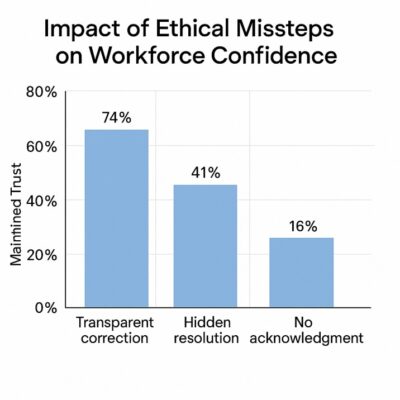
Every human resources specialist operates at the intersection of trust and responsibility. Decisions often involve confidential data, personal grievances, or sensitive organizational shifts. Maintaining integrity isn’t just an expectation—it’s a moral imperative.
Ethical judgment defines credibility in HR. When employees approach HR with concerns about harassment, discrimination, or personal struggles, confidentiality is sacred. Mishandling this trust can fracture the psychological safety of an entire workforce.
Ethics also extends to fairness in hiring, promotion, and discipline. An HR specialist must recognize unconscious bias and actively design systems that neutralize it. When policies and processes reflect transparency and equity, employees perceive HR not as management’s agent but as the company’s conscience.
Analytical Thinking and Data Interpretation
While emotional intelligence drives relationships, analytical precision fuels decisions. The new-age human resources specialist must interpret workforce analytics—tracking performance, turnover, and engagement trends to predict future needs.
Data-driven HR strategies eliminate guesswork. By analyzing hiring funnels, pay equity, and satisfaction surveys, HR professionals create evidence-based solutions rather than relying on intuition. Yet, interpretation remains key; numbers mean little without context.
For instance, a spike in absenteeism might reflect poor scheduling rather than employee disengagement. An HR specialist who reads data holistically can design preventive measures rather than reactive ones, aligning both human and operational priorities.
Cultural Intelligence and Inclusion
In the globalized work environment, diversity is no longer optional—it’s inevitable. A human resources specialist must cultivate cultural intelligence: the ability to navigate differences in background, belief, and communication style with respect and curiosity.
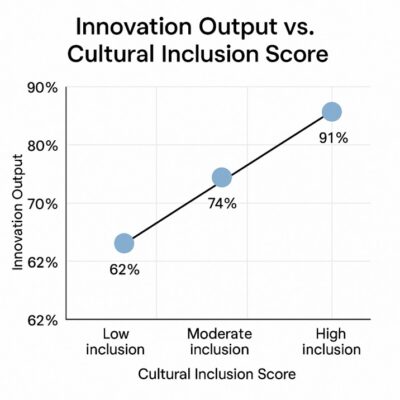
This quality involves recognizing that inclusion is not merely about representation but belonging. HR specialists must ensure every individual feels seen and heard regardless of role or origin. Cultural intelligence transforms workplace diversity into collaboration instead of fragmentation.
Modern HR initiatives increasingly rely on data to measure inclusion outcomes. Specialists who understand cultural dynamics lead organizations that outperform others in creativity and innovation by measurable margins.
Emotional Resilience and Workplace Empathy
A human resources specialist constantly interacts with people under pressure—employees facing burnout, managers managing layoffs, or teams rebuilding after conflict. Emotional resilience is therefore not optional but essential.
Resilient HR professionals absorb tension without projecting it back. They serve as stabilizers during organizational turbulence. This ability to remain calm yet compassionate prevents emotional contagion, ensuring issues are resolved constructively.
Empathy does not mean emotional indulgence; it means understanding perspective while maintaining professionalism. The resilient HR specialist becomes both a listener and a strategist—acknowledging pain while crafting pathways forward.
Strategic Vision Beyond Administration

The modern human resources specialist must transcend the boundaries of operational tasks. Recruitment, payroll, and compliance are foundational, but strategy defines influence. When HR aligns talent development with organizational goals, it transitions from a support function to a strategic partner.
A specialist with vision anticipates the organization’s future needs—understanding how automation, hybrid models, or generational shifts impact workforce planning. This foresight ensures agility in hiring and retention, protecting companies from reactive decision-making.
Strategic HR also champions culture design. Through learning programs, leadership pipelines, and performance frameworks, HR becomes a catalyst for growth rather than a cost center.
The Future of the Human Resources Specialist
Tomorrow’s human resources specialist will operate as both data scientist and cultural architect. They will not only manage human capital but also design experiences that keep employees inspired, informed, and evolving. Artificial intelligence will handle transactional HR tasks, while specialists will focus on creativity, ethics, and leadership.
The future HR leader will measure success not only in recruitment metrics but in belonging, mental well-being, and adaptive learning. As automation scales productivity, the human resources specialist will safeguard what cannot be automated—human connection.
Conclusion
At its core, being a human resources specialist is not about paperwork, platforms, or policy enforcement—it’s about people. The best specialists act as translators of humanity inside complex systems, ensuring that business growth never erases empathy.
By mastering adaptability, ethics, emotional intelligence, and strategic foresight, HR specialists become both protectors and innovators of workplace culture. They are the steady hands behind every successful organization’s heart—where data meets empathy and where every policy begins with human understanding.

Andrea Balint is a writer and researcher focused on human behavior, workplace psychology, and personal growth. Through her work at CareersMomentum, she explores how mindset, leadership, and emotional intelligence shape modern careers. With a background in communication and HR development, she transforms complex ideas into practical insights that help readers build clarity, confidence, and professional purpose.