
In every era, people define themselves not just through personal choices but through the invisible framework of societal values. These values serve as the unspoken moral architecture of communities—governing how individuals act, what they admire, and how they perceive their collective identity. Whether it’s the way we communicate online, define success, or approach diversity, societal values remain the underlying current shaping the world’s cultural behavior.
The Foundation of Societal Values
At the core of human civilization lies a shared understanding of right and wrong, progress and tradition. These frameworks are not static. As civilizations evolve, so too do societal values, influenced by education, religion, economic change, and global communication. A society that once prized conformity may later reward individuality. Another that worshipped material wealth might gradually transition toward sustainability and empathy as guiding ethics.
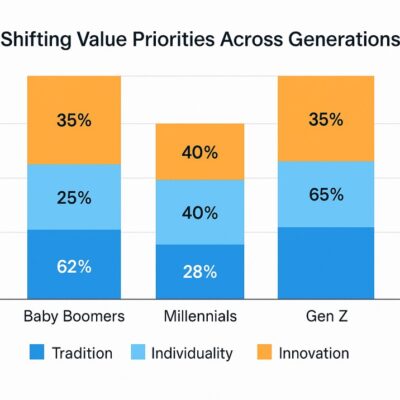
Modern societies reflect a fascinating intersection of legacy and transformation. In traditional societies, honor, faith, and duty dominated behavior. In contemporary contexts, autonomy, inclusivity, and authenticity often take precedence. These transitions don’t merely alter personal actions—they redefine entire cultures and shape how generations perceive their role within humanity.
Behavior as a Reflection of Collective Morality
Behavior is not purely instinctual—it is largely performative within a social framework. Every gesture, opinion, and lifestyle choice reflects a negotiation with societal values. People adapt to what society praises and suppress what it condemns. A society valuing ambition fosters competition and achievement; one centered on empathy cultivates cooperation and collective well-being.
Digital culture exemplifies this vividly. Online behavior mirrors real-world ethics but magnifies them. Public shaming, activism, inclusivity, and cancel culture all stem from collective moral reinforcement. Platforms become moral marketplaces where societal values are constantly negotiated in real time.
As globalization connects people, traditional borders blur. The rise of cross-cultural dialogues has merged distinct value systems, leading to hybrid behaviors that are neither fully Eastern nor Western, but a fluid blend of both. This global negotiation challenges old frameworks and births new identities.
How Societal Values Reinforce Cultural Identity
Cultural identity is, in essence, the lived expression of societal values. The rituals people practice, the heroes they celebrate, and the symbols they protect—all communicate a shared worldview. Cultural identity becomes an outward narrative of what people collectively deem worthy of preservation.
Consider environmental consciousness: in the past, industrial achievement symbolized strength. Today, environmental stewardship represents responsibility. The transformation wasn’t merely technological—it was ethical. It reflected a change in societal values, moving from exploitation to sustainability, from domination to co-existence.
The Tension Between Traditional and Modern Values
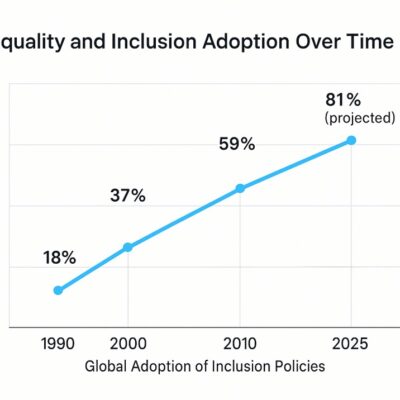
Every society experiences tension between what was and what is becoming. The speed of technological progress often outpaces the moral consensus needed to manage it. For example, artificial intelligence, data privacy, and genetic modification push humanity to revisit ethical boundaries. Here, societal values serve as both compass and constraint—guiding how far innovation should go before it breaches moral comfort zones.
In countries balancing rapid modernization with deep traditions, this tension is visible in everyday life. A young professional may wear modern clothes but uphold ancestral customs at home. This coexistence of old and new creates internal dialogue—a reflection of cultural duality shaped by societal values that refuse to vanish even as they evolve.
Such duality is not confusion but resilience. It shows that cultural identity can expand without erasing roots. Societies that embrace this flexibility tend to adapt better to global change because their moral foundation remains elastic rather than brittle.
The Role of Media in Shaping Perception

Media, once a mirror, is now a sculptor of societal values. It not only reflects what people believe but actively curates what they should care about. Through repetition, framing, and representation, television, cinema, and digital platforms guide emotional allegiance toward certain moral narratives.
When a film glorifies compassion over revenge, or when social media movements rally millions toward justice, these become mass-scale moral conditioning moments. The media is not neutral—it is a cultural architect, constantly updating society’s moral software.
The danger, however, lies in homogenization. The global media machine risks flattening regional uniqueness, replacing local customs with universally appealing but culturally hollow ideals. Hence, while media spreads awareness, it must also safeguard diversity, ensuring societal values remain plural and contextually authentic.
Globalization, Migration, and Value Exchange
Migration has become a moral laboratory where different societal values collide and cooperate. When people move across borders, they don’t just bring skills—they import moral languages. In multicultural cities, tolerance, pluralism, and dialogue become survival mechanisms. A single neighborhood might host ten religions, dozens of cuisines, and hundreds of personal belief systems, each reshaping the collective identity through daily interaction.
This process creates what sociologists call “moral convergence zones,” where global citizenship overrides parochial allegiance. People begin to define themselves less by nationality and more by shared principles—environmental responsibility, gender equality, digital freedom. As a result, societal values evolve toward global ethics that transcend political borders.
However, this moral fluidity also creates anxiety among those who fear the erosion of cultural purity. The modern challenge is not to choose between old and new but to weave both into a living moral tapestry that respects heritage while embracing evolution.

The Psychological Dimension of Shared Values
On a psychological level, societal values shape identity through belonging. People internalize collective morals because they want acceptance within their group. This internalization drives conformity and cooperation but can also breed guilt or alienation when individuals deviate from norms.
In the age of hyper-individualism, there’s a paradox: while people celebrate self-expression, they still crave social validation. Modern culture constantly negotiates between the desire to stand out and the fear of exclusion. This tension underscores the psychological power of societal values—they define not only external behaviors but internal emotional balance.
Understanding this duality is essential for building inclusive societies that allow difference without stigma. When values evolve toward empathy rather than conformity, they free identity instead of restricting it.
Final Words
In the end, societal values are both a mirror and a map. They reflect who we are and guide who we wish to become. From art and policy to education and technology, every cultural expression is a negotiation between ethics and evolution. Modern civilization thrives not because it discards old values, but because it learns to reinterpret them through the lens of new realities.
As societies move forward, the real test lies in sustaining moral flexibility—holding on to compassion while embracing progress, protecting diversity while pursuing unity, and recognizing that values, like humanity itself, are meant to grow.

Andrea Balint is a writer and researcher focused on human behavior, workplace psychology, and personal growth. Through her work at CareersMomentum, she explores how mindset, leadership, and emotional intelligence shape modern careers. With a background in communication and HR development, she transforms complex ideas into practical insights that help readers build clarity, confidence, and professional purpose.