
In the modern workplace, leadership is no longer about authority; it’s about influence, clarity, and connection. Every aspiring leader must learn how to communicate in a way that inspires confidence, motivates teams, and navigates conflicts with grace. That’s where communication skills training becomes a defining factor in leadership success.
Strong communication is the invisible thread that binds vision to execution. Without it, even the most talented leaders struggle to articulate goals, align departments, or foster trust. Communication skills training transforms hesitant speakers into confident storytellers who lead through empathy and precision.
Leadership communication isn’t about speaking more — it’s about speaking better. Through communication skills training, emerging leaders learn to turn every interaction into an opportunity for alignment, motivation, and collaboration.
The Emotional Core of Effective Leadership
Effective leadership requires more than technical competence; it demands emotional intelligence. When a leader learns to read tone, body language, and intention, they gain a superpower that strengthens culture and performance simultaneously.

Aspiring leaders often underestimate how much their credibility depends on communication style. It’s not just what they say — it’s how they say it, when they say it, and whether they listen.
Listening is the most underrated part of communication. True leaders practice active listening — engaging, summarizing, and validating others before responding. Communication skills training teaches this art, turning passive hearing into strategic understanding.
Mastering Conflict and Collaboration Through Dialogue
Every organization values leaders who can manage diverse perspectives. Through communication skills training, future managers learn to mediate disagreements without losing trust or momentum. They discover that constructive communication builds bridges even in high-tension environments.
Leadership also requires communicating vision effectively. The difference between a manager and a leader often lies in the ability to articulate a shared purpose that moves people forward.
In communication skills training, participants refine storytelling — transforming complex strategies into relatable, memorable narratives. Storytelling captures emotion, reinforces mission, and keeps teams inspired during challenging phases.
The Art of Constructive Feedback
Aspiring leaders must also master the subtleties of feedback. Delivering feedback requires empathy and precision; it’s both an art and a science. Communication skills training empowers leaders to offer feedback that corrects behavior while reinforcing confidence.
Inexperienced leaders often avoid difficult conversations because they fear damaging relationships. Yet these are the very moments that define leadership maturity. Training helps them turn feedback sessions into developmental dialogues rather than confrontations.
Modern organizations thrive on transparent, multidirectional communication. Leaders must navigate upward communication with executives, lateral communication with peers, and downward communication with subordinates — each requiring a distinct tone and approach.
Communication skills training provides structured frameworks for each scenario, helping leaders maintain clarity and authority regardless of hierarchy.
Navigating Communication in the Digital Workplace
Digital communication adds another dimension to leadership communication. As hybrid teams become the norm, leaders must convey warmth and intent through screens — often without the help of nonverbal cues.
Training modules now include email clarity, video call presence, and digital tone calibration. These modern skills are vital for leaders managing global or remote teams.

Another critical dimension of communication is crisis management. During uncertainty, the way a leader communicates defines how an organization reacts. Panic or silence spreads confusion; clarity and calmness spread confidence.
Communication skills training prepares leaders to control narratives, express empathy, and provide factual reassurance during crises. These moments cement leadership credibility.
Communication as a Measure of Credibility
Furthermore, effective communicators understand that leadership communication extends beyond internal teams. External stakeholders — clients, investors, media — all judge an organization by how its leaders communicate under pressure.
In these moments, communication skills training equips leaders with composure, media literacy, and message discipline. They learn to balance transparency with strategic messaging to protect both brand and trust.
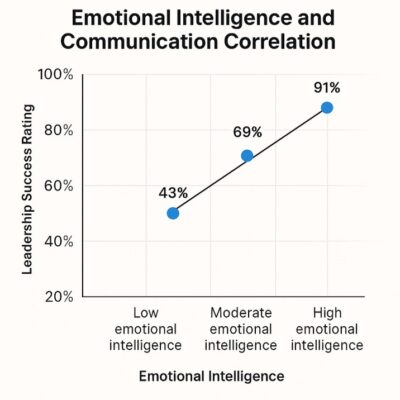
Emotional intelligence runs parallel to communication mastery. Leaders must sense when to push, when to pause, and when to empathize. Communication skills training helps them read rooms, interpret silences, and respond with situational awareness.
Adapting to Different Audiences and Contexts
Even beyond workplaces, communication defines influence. Public figures, founders, and executives who undergo communication skills training often report improved clarity in personal relationships as well.
When words align with values, trust becomes effortless. This alignment is precisely what training instills — a synchronization between message, intention, and delivery.
One hallmark of advanced communication skills training is the focus on adaptability. Great communicators adjust to audience context — from boardroom investors to frontline staff. They understand cultural cues, tailor examples, and modify pace.
Aspiring leaders who internalize this adaptability become agile influencers — capable of resonating with anyone, anywhere.
Training doesn’t just polish public speaking; it rewires self-perception. When a leader sees communication as influence instead of performance, authenticity replaces anxiety.
Authentic Communication and Organizational Growth
Authenticity is what audiences remember. When words reflect conviction, followers listen. Communication skills training fosters this alignment, making every message purposeful and consistent.
In practice, these programs often include role-playing, mock interviews, storytelling workshops, and feedback labs. Each exercise sharpens presence, vocabulary, and empathy simultaneously.
Organizations that invest in communication skills training see measurable gains — higher retention, stronger engagement, and reduced conflict escalation. Communication is not soft power; it’s strategic capital.
Conclusion
In today’s leadership landscape, charisma is not enough. Clarity, empathy, and precision drive credibility. Through communication skills training, aspiring leaders build these attributes into muscle memory.
They learn that influence is not loudness — it’s resonance. Every great communicator begins as a listener, shapes as a learner, and evolves into a leader.
Leadership communication is therefore not a destination but a lifelong discipline. As industries evolve, so must the methods of connection. Those who commit to communication skills training continually refresh their ability to inspire.
Ultimately, leadership is about making people feel understood before persuading them. It’s about translating vision into shared purpose through intentional words.
Communication skills training equips leaders not just to manage, but to move people — through clarity, empathy, and courage.
When communication becomes conscious, leadership becomes transformational.

Andrea Balint is a writer and researcher focused on human behavior, workplace psychology, and personal growth. Through her work at CareersMomentum, she explores how mindset, leadership, and emotional intelligence shape modern careers. With a background in communication and HR development, she transforms complex ideas into practical insights that help readers build clarity, confidence, and professional purpose.