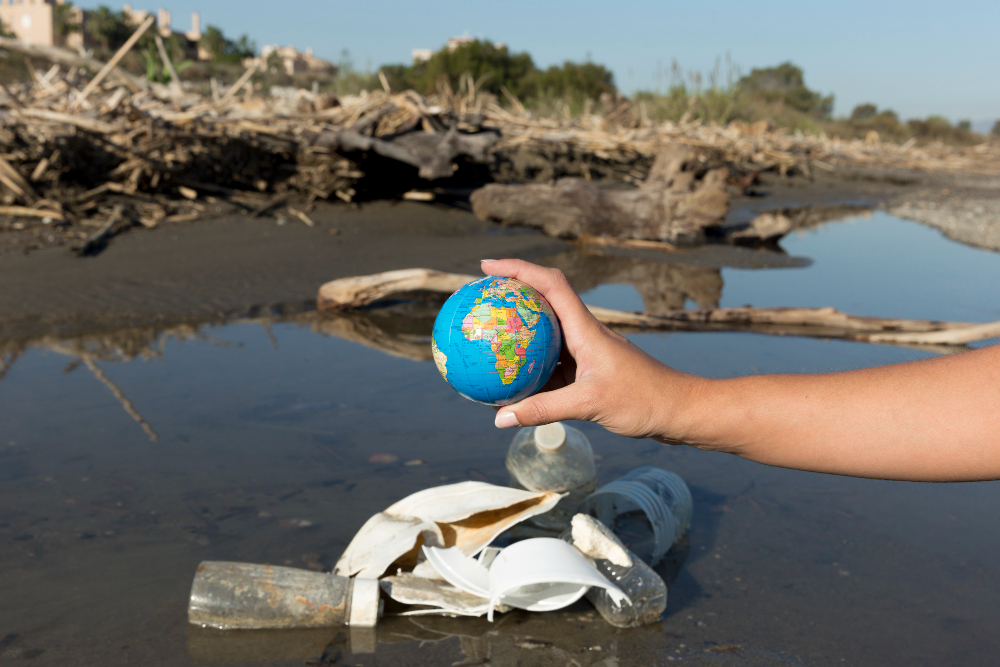
If you’ve ever wondered why fuel prices suddenly feel unpredictable, why certain groceries become more expensive overnight, why water restrictions appear in some regions, or why weather patterns feel more extreme and unstable, then you’re already brushing against the real-world consequences of what is resource depletion, because the truth is simple: most people experience the effects long before they ever learn the phrase behind them, and this guide is here to explain that hidden but powerful force in plain language so you understand not only the definition but also how it influences your bills, your environment, and your lifestyle in ways you might not notice at first glance but definitely feel.
What Is Resource Depletion? (Clear Definition You Can Actually Use)
When you ask what is resource depletion, the simplest and most helpful answer is that it happens when we consume natural resources faster than the Earth can naturally replace them, meaning forests cannot regrow fast enough, soil cannot rebuild nutrients fast enough, minerals cannot regenerate at all, and water supplies get drained faster than rainfall or underground reservoirs can refill, and the moment consumption outpaces replenishment, depletion begins, often quietly but always persistently.
Why Resource Depletion Has Accelerated in the Last 20 Years
If we keep asking what is resource depletion and why it feels so urgent today, the answer becomes clearer when we look at modern lifestyles, because every new city increases construction demands, every new technology increases mineral extraction, every new agricultural system increases water use, and every growing population increases overall consumption, meaning the twenty-first century doesn’t just use more resources than before — it uses them faster, more intensively, and often without giving ecosystems the time they need to restore themselves.
How Resource Depletion Shows Up in Everyday Life
The interesting part about what is resource depletion is that it sounds like an environmental issue on paper, but in reality you feel its influence inside your home, inside your grocery basket, inside your electricity bill, and even inside the products you buy, because depletion touches the structure of daily living far more than any scientific term suggests.
1. Rising Prices for Necessities
When supply shrinks and demand stays high, prices rise, which is why fuel, wheat, meat, electricity, clothing, and electronics all fluctuate, and many of those fluctuations come from the underlying issue of what is resource depletion, because when materials become scarce, companies have no choice but to pass the cost down to consumers.
2. Water Shortages and Restrictions
Freshwater depletion happens when rivers, lakes, and underground aquifers are drained faster than nature can refill them, and as drought increases in various regions, water usage restrictions, agricultural losses, and reduced hydroelectric output become common everyday problems shaped directly by what is resource depletion.
3. Food Quality Drops and Availability Tightens
Soil exhaustion, water scarcity, and climate shifts reduce crop yields, and that’s why food can become more expensive or lower in nutritional value, because farmers are often forced to rely on fast-growing methods, pesticides, or artificial fertilizers, showing how what is resource depletion reaches the dinner table quietly but consistently.
4. Energy Becomes Unstable and Expensive
Fossil fuels don’t regenerate, and as accessible reserves shrink, energy markets become more volatile, electricity costs rise, and nations become dependent on imports or renewables that haven’t fully scaled yet, which creates the perfect example of what is resource depletion affecting power stability.
5. Environmental Health Declines
Air quality worsens, water contamination increases, heatwaves intensify, and biodiversity drops, meaning ecosystems slowly lose their natural balance, and this environmental shift impacts public health, local economies, and even mental well-being.
Different Types of Resource Depletion You Should Know
Many readers assume what is resource depletion refers only to oil or water, but the truth spans multiple categories, and each one affects life differently.
1. Water Resource Depletion
Freshwater is consumed by agriculture, manufacturing, and households, and since agriculture alone uses about 70% of the world’s freshwater, shortages affect food supply as well as everyday living.
2. Soil Degradation
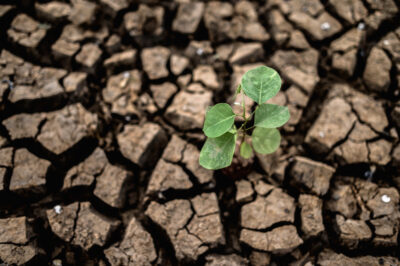
Nutrient-poor soil leads to weaker harvests, reduced food quality, and long-term agricultural fragility, which is why soil erosion has become one of the most worrying aspects of what is resource depletion.
3. Fossil Fuel Depletion
Oil, gas, and coal deposits deplete faster each year, and since they take millions of years to form, replacements won’t exist in human lifespans.
4. Mineral and Rare Metal Depletion
Smartphones, batteries, solar panels, and electric vehicles depend on lithium, cobalt, copper, and rare earth metals that are increasingly difficult to mine sustainably.
5. Forest Depletion
Deforestation reduces biodiversity, carbon absorption, and climate stability, and forests require decades to regrow compared to minutes to be destroyed.
Why Resource Depletion Isn’t Only an Environmental Issue
If you think what is resource depletion is mainly for scientists or environmental activists, it’s worth reconsidering, because depletion affects national security, economic growth, employment trends, technology pricing, migration patterns, and political conflicts, meaning scarcity can shake stability in ways far beyond forests and rivers.
How Countries Are Responding to Resource Depletion
Governments worldwide now treat resource scarcity as a strategic challenge, and the most successful responses include renewable energy investment, controlled extraction policies, reforestation programs, recycling expansion, circular economy principles, and modernized water infrastructure.
What Individuals Can Do (Realistic and Simple Actions)
Even though the issue feels huge, small consistent actions still matter, including reducing water waste, choosing durable products over disposable ones, recycling electronics properly, using energy-efficient appliances, minimizing food waste, and supporting local sustainability initiatives, because while individuals cannot fully reverse what is resource depletion, they can significantly slow its impact at the community level.
Final Words
By the time you ask what is resource depletion, you’re already feeling its consequences, and knowing how resource loss affects your lifestyle gives you more control over decisions related to consumption, budgeting, health, sustainability, and the future, because the truth is this: resource depletion will shape the next decade far more than most global issues, and understanding it isn’t optional anymore — it’s practical, empowering, and necessary.

Andrea Balint is a writer and researcher focused on human behavior, workplace psychology, and personal growth. Through her work at CareersMomentum, she explores how mindset, leadership, and emotional intelligence shape modern careers. With a background in communication and HR development, she transforms complex ideas into practical insights that help readers build clarity, confidence, and professional purpose.