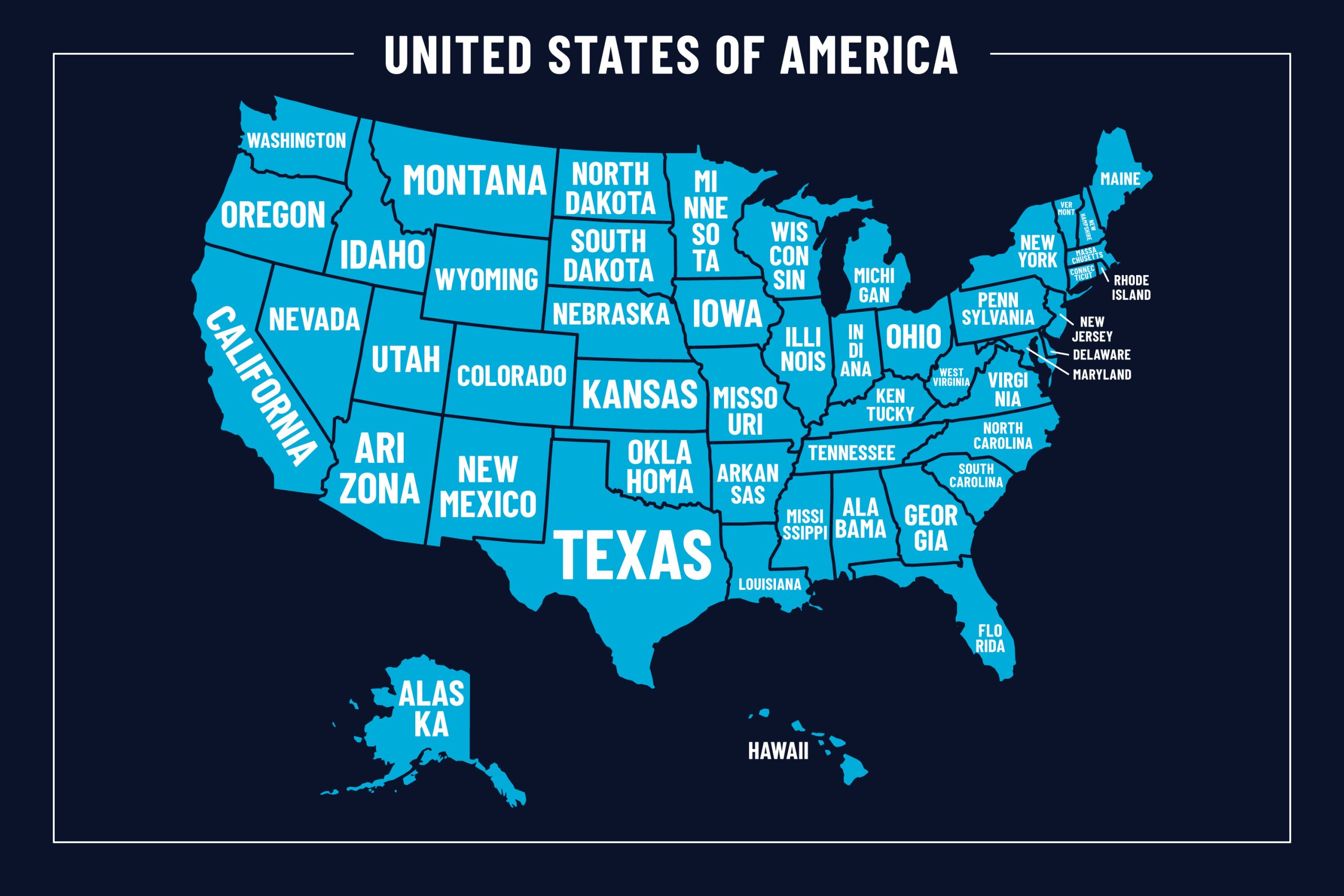
Pay transparency laws by state are changing fast across the U.S. In this guide, we break down pay transparency laws by state in 2025 so you can quickly see where employers must include salary ranges, where only local rules apply, and which states still have no pay transparency laws at all.
For HR and recruiting teams, this is not a theoretical legal debate. It changes the way you write job ads, structure internal promotions, and hire remote employees who can work from anywhere in the country.
This guide walks through US pay transparency laws by state, highlights the strictest jurisdictions, and shows you how to design an internal approach that works across locations. Think of it as a practical map: where disclosure is required, when ranges must appear, and what HR needs to document to stay audit-ready.
Pay transparency laws by state now shape how US employers write job postings, share salary ranges, and manage remote hiring. This 2026 guide explains which states require pay ranges in ads, when you must disclose pay on request, and how multi-state HR teams can build one simple compliance playbook instead of juggling dozens of confusing local rules.
What Are Pay Transparency Laws and Why Do They Matter in 2026?
Pay transparency laws set the rules for when employers must share salary ranges or wage scales with candidates and employees. Some states require pay ranges in every external job posting, others only on request or at a specific step in the hiring process.
The goal behind these laws is simple: reduce unexplained pay gaps and give candidates a clearer picture of what a role is worth before they invest time in interviews. For employers, that means less room for “we’ll decide the budget later” and more pressure to define a realistic band upfront.
In 2026, the impact is amplified by remote and hybrid work. A role posted as “US-based, fully remote” may quietly trigger pay transparency obligations in several states at once, depending on where current or potential employees sit. If HR does not track these rules centrally, a single job ad on LinkedIn can accidentally break the law in multiple jurisdictions.
US Pay Transparency Laws by State (Updated for 2025–2026)
Pay transparency has moved from “nice-to-have” to a legal requirement across much of the United States. More and more states now expect employers to share salary ranges, benefits information, and promotion opportunities openly, especially in job postings.
If you hire in multiple states (or allow remote work), you’re suddenly playing by a complex patchwork of rules. This guide walks through how pay transparency laws work, which states have active requirements, and what practical steps HR and people leaders should take now.
Pay Transparency Laws by State (Updated 2025)
| State Name | Status of Pay Transparency Laws | Effective Date |
|---|---|---|
| California | Statewide Law(s) in Effect | as of Jan. 1, 2023 |
| Colorado | Statewide Law(s) in Effect | as of Jan. 1, 2021 |
| Connecticut | Statewide Law(s) in Effect | as of Oct. 1, 2021 |
| Hawaii | Statewide Law(s) in Effect | as of Jan. 1, 2024 |
| Maryland | Statewide Law(s) in Effect | as of Oct. 1, 2020 |
| Nevada | Statewide Law(s) in Effect | as of Oct. 1, 2021 |
| Rhode Island | Statewide Law(s) in Effect | as of Jan. 1, 2023 |
| Washington | Statewide Law(s) in Effect | as of Jan. 1, 2023 |
| Illinois | Statewide Law(s) in Effect | as of Jan. 1, 2025 |
| Minnesota | Statewide Law(s) in Effect | as of Jan. 1, 2025 |
| Alabama | No Pay Transparency Laws | N/A |
| Alaska | No Pay Transparency Laws | N/A |
| Arizona | No Pay Transparency Laws | N/A |
| Arkansas | No Pay Transparency Laws | N/A |
| Delaware | No Pay Transparency Laws | N/A |
| Florida | No Pay Transparency Laws | N/A |
| Georgia | No Pay Transparency Laws | N/A |
| Idaho | No Pay Transparency Laws | N/A |
| Indiana | No Pay Transparency Laws | N/A |
| Iowa | No Pay Transparency Laws | N/A |
| Kansas | No Pay Transparency Laws | N/A |
| Kentucky | No Pay Transparency Laws | N/A |
| Louisiana | No Pay Transparency Laws | N/A |
| Maine | No Pay Transparency Laws | N/A |
| Michigan | No Pay Transparency Laws | N/A |
| Mississippi | No Pay Transparency Laws | N/A |
| Missouri | No Pay Transparency Laws | N/A |
| Montana | No Pay Transparency Laws | N/A |
| Nebraska | No Pay Transparency Laws | N/A |
| New Hampshire | No Pay Transparency Laws | N/A |
| New Mexico | No Pay Transparency Laws | N/A |
| North Carolina | No Pay Transparency Laws | N/A |
| North Dakota | No Pay Transparency Laws | N/A |
| Oklahoma | No Pay Transparency Laws | N/A |
| Oregon | No Pay Transparency Laws | N/A |
| Pennsylvania | No Pay Transparency Laws | N/A |
| South Carolina | No Pay Transparency Laws | N/A |
| South Dakota | No Pay Transparency Laws | N/A |
| Tennessee | No Pay Transparency Laws | N/A |
| Texas | No Pay Transparency Laws | N/A |
| Utah | No Pay Transparency Laws | N/A |
| Virginia | No Pay Transparency Laws | N/A |
| West Virginia | No Pay Transparency Laws | N/A |
| Wisconsin | No Pay Transparency Laws | N/A |
| Wyoming | No Pay Transparency Laws | N/A |
| District of Columbia | Statewide Law(s) in Effect | as of June 30, 2024 |
| New Jersey | Local Law(s) in Effect; Statewide Law(s) Passed but Not in Effect | Statewide law effective as of June 1, 2025 |
| Ohio | Local Law(s) in Effect | Multiple effective dates |
| Massachusetts | Law(s) Passed but Not Yet in Effect | Beginning Oct. 29, 2025 |
| Vermont | Law(s) Passed but Not Yet in Effect | Beginning July 31, 2025 |
| New York | Both Local and Statewide Laws in Effect | Statewide law effective as of Sept. 17, 2023 |
Source: U.S. Department of Labor
This overview is for general information only and does not constitute legal or tax advice. U.S. pay transparency laws change frequently at the state and local level, and requirements may vary based on your industry, headcount, and where your employees work (onsite or remote). Always confirm current obligations with official state or local labor agencies or a qualified employment attorney before making compliance decisions.
What is pay transparency?
Pay transparency laws are designed to give employees and candidates clearer information about how much a role pays, what the range is, and how pay decisions are made.
Instead of “salary commensurate with experience,” lawmakers increasingly want concrete numbers: a minimum and maximum base pay, and sometimes a summary of bonuses and benefits.
From an HR perspective, pay transparency is really three things at once:
- Compliance obligation – following state and local rules about what must appear in job postings and what must be shared on request.
- Pay equity tool – helping close gender and racial wage gaps by making outliers easier to spot.
- Talent strategy – getting more qualified applicants by giving clear pay signals up front.
Common elements of US pay transparency laws
The details vary by state, but most pay transparency laws focus on some combination of:
- Salary range in job postings
Many states now require a “good faith” minimum and maximum salary or hourly rate in public job ads, including remote roles tied to that jurisdiction. - Salary range disclosure to applicants and employees
Even where job postings are not covered, employers may need to share pay ranges on request, at the interview stage, or at the time of offer or promotion. - Ban on salary-history questions
Several states already prohibit asking candidates about past pay, or using salary history to set new compensation. This often sits alongside transparency rules. - Posting promotion and internal opportunities
Some laws require employers to let current employees know about openings or promotions, sometimes with ranges attached, before or alongside external advertising. - Recordkeeping and enforcement
Agencies can investigate complaints, levy fines, or allow private lawsuits. Penalties escalate for repeated non-compliance.
When you operate across several states, the safest strategy is usually to standardize upward—put ranges in all job postings and be ready to share them with any candidate or employee who asks.
States with broad pay-range posting requirements
As of late 2025, a growing group of states require most covered employers to include salary ranges directly in job postings. Requirements differ, but these states are broadly in the “full pay range in ads” camp:
- California – Requires employers with 15+ employees (with at least one in CA) to include pay scales in job postings, including remote roles that could be filled from California. Current employees can also request the range for their position.
- Colorado – One of the earliest adopters. Most postings must include pay range plus a general description of benefits and bonuses under the Equal Pay for Equal Work Act.
- Connecticut – Employers must provide wage ranges to applicants by the time an offer is made or earlier on request, and to employees on hire, promotion, or request. Many employers now include ranges directly in postings for simplicity.
- Hawaii – Employers with 50+ workers must show salary ranges (or hourly rates) in external job ads that reasonably reflect expected pay.
- Illinois – From Jan. 1, 2025, certain employers must include pay scale and benefits in job postings, including some out-of-state roles that report into Illinois.
- Maryland – Updated equal pay rules require wage ranges in internal and external postings, plus information on benefits and other compensation.
- Massachusetts – The Frances Perkins Workplace Equity Act (effective late 2025) requires employers with 25+ employees to list salary ranges in job postings and share them with applicants and employees on request.
- Minnesota – New requirements ask larger employers to include a good-faith starting range (or fixed pay rate), plus a general description of benefits, in job postings.
- New Jersey – Employers meeting certain thresholds must put pay ranges and information about benefits and other compensation in job postings starting June 2025.
- New York (statewide, plus NYC and local ordinances) – Employers with 4+ employees must show good-faith pay ranges in job ads for roles that will be performed in New York or report to a New York office. New York City and some counties have additional, earlier ordinances that already follow a similar model.
- Rhode Island – Employers must provide wage ranges to applicants upon request and at certain points in the hiring process; many choose to list ranges proactively in postings.
- Vermont – A newer law requires employers over a certain size to post minimum and maximum pay ranges in job ads as a good-faith estimate.
- Washington – Requires pay ranges and a general description of benefits and other compensation in job postings (including remote roles that could be filled by a Washington-based worker).
In addition, Washington, D.C. has adopted pay transparency rules requiring salary ranges in job postings and limiting salary-history questions.
If you’re hiring in any of these jurisdictions, posting jobs without salary ranges is no longer a safe option.
States that require disclosure on request or at key stages
Some states stop short of demanding ranges in every job ad, but still require employers to share pay ranges under certain conditions:
- Nevada – Employers must provide the wage or salary range to any applicant who has completed an interview, as well as to employees seeking a promotion or transfer who request it.
- Rhode Island and Connecticut – Require pay range disclosures to applicants by request and to employees at hire, promotion, or upon request—even if ranges don’t always appear in public postings.
From an HR operations standpoint, the impact is similar: you need defined ranges for each role, kept up to date and consistently shared.
Local pay transparency ordinances
Even in states without a comprehensive transparency statute, cities and counties are stepping in. Examples include:
- New York City, Ithaca, and Westchester County (NY) – Each has local ordinances requiring pay ranges in job postings and internal promotion opportunities, predating the statewide law.
- Kansas City, MO; Cincinnati, OH; Toledo, OH; Columbus, OH; Cleveland, OH; Jersey City, NJ – Local rules often ban salary-history questions and require ranges in certain postings or upon request.
If you post a fully remote job “anywhere in the U.S.”, but your company has employees or a presence in one of these cities, those local rules may still apply.
States without pay-range posting laws (yet)
Many states still have no statewide requirement to disclose pay ranges in job postings, though many do have salary-history bans, equal pay statutes, or general anti-discrimination laws.
For multi-state employers, defaulting to transparent ranges everywhere often simplifies things:
- You avoid tracking which roles and locations are covered.
- You send a consistent message about pay equity.
- You reduce the odds of accidental non-compliance if a new law passes mid-year.
Given how quickly the map is changing, it’s smart to review your pay practices annually and watch for new legislation each session.
Practical employer checklist: working across many states
You don’t have to rebuild your entire compensation philosophy to comply with pay transparency rules. But you do need a repeatable system. A practical employer checklist looks like this:
1. Build or refine structured pay ranges
Create clear salary bands or ranges for each job family, level, and location.
Document the factors that influence where someone lands in the range—experience, skills, internal equity, market data—and train managers to use those criteria consistently.
2. Map your footprint to applicable laws
List every state (and major city) where you:
- Have employees now
- Regularly recruit
- Might reasonably hire remote workers
Overlay that map with a summary of which locations demand pay in postings versus disclosure on request or at offer. Keep the summary short and actionable so recruiters can actually use it.
3. Standardize your job posting templates
Update job posting templates to:
- Include a good-faith minimum and maximum pay range.
- Optionally add a short sentence about bonuses, commissions, and benefits.
- Clarify when geographic differentials apply (e.g., “Actual compensation may vary based on location, experience, and internal equity.”)
Once the template is in place, your recruiting team isn’t deciding case-by-case; they’re simply plugging in the right range.
4. Align internal communications
Transparency laws don’t just affect candidates; they also shape employees’ expectations.
Make it easy for employees to:
- See or request the range for their current role.
- Understand how promotions and pay adjustments are decided.
- Raise concerns if they believe their pay isn’t aligned with the range.
This reduces the “surprise factor” when ranges go public and helps you manage internal equity issues before they become claims.
5. Update policies, training, and documentation
Add a short pay transparency section to your:
- Recruiting policies – covering how ranges are set and when they must be shared.
- Manager training – explaining what managers can and can’t say about pay and history.
- Employee handbook – outlining how employees can request information or raise concerns.
Where violations carry fines or private rights of action, consider periodic audits of job postings and offer letters.
Sample “at a glance” snapshot for HR teams
You can convert the complex legal landscape into a simple internal cheat-sheet similar to this:
- Full pay range required in job ads
California, Colorado, Hawaii, Illinois, Maryland, Massachusetts, Minnesota, New Jersey, New York (statewide + NYC and localities), Vermont, Washington, plus Washington, D.C. - Pay range must be provided by request / at key stages
Connecticut, Nevada, Rhode Island, and others with “on request” frameworks. - Key local ordinances
NYC, Ithaca, Westchester County (NY); Cincinnati, Cleveland, Columbus, Toledo (OH); Kansas City (MO); Jersey City (NJ); and several others.
Then link each category to a short internal guidance page or legal memo for the details.
Pay transparency, pay equity, and culture
It’s easy to view pay transparency laws as a pure compliance headache, but the trend is also pushing organizations toward healthier habits:
- Less secrecy – Employees understand how pay is set, which reduces rumors and suspicion.
- Cleaner data – Defining ranges forces you to clean up job families, titles, and compensation structures.
- Better hiring outcomes – Candidates self-select based on realistic pay expectations, which can improve acceptance rates and reduce wasted interviews.
Over time, companies that embrace transparency often find it easier to demonstrate pay equity and defend their decisions if challenged.
Key takeaways for 2025–2026
- The US now has a patchwork of pay transparency laws, with more states adding requirements each year.
- If you hire in states like California, Colorado, New York, Washington, Massachusetts, or Illinois, assume that pay ranges belong in job postings.
- Even in states without posting mandates, many employees and candidates now expect transparent ranges—and your competitors may already be sharing them.
- The lowest-friction approach for multi-state employers is often to standardize transparent practices nationwide, then fine-tune for local nuances.
If you build clear ranges, train managers, and keep a simple, up-to-date map of your obligations, pay transparency stops feeling like a moving target and becomes part of how your organization hires and pays people fairly.
For official federal guidance on pay transparency protections, see the U.S. Department of Labor’s resources.
What is a pay transparency law?
Pay transparency laws require employers to share salary ranges or pay information with candidates and employees. Depending on the state, this might mean including a range in job postings, giving the range on request, or disclosing it at a specific stage in the hiring process.
Which states currently have pay transparency laws on the books?
As of late 2025, pay transparency laws by state include California, Colorado, Connecticut, Hawaii, Illinois, Maryland, Massachusetts, Minnesota, Nevada, New Jersey, New York, Rhode Island, Vermont, Washington, plus several cities and counties like New York City, Jersey City, and parts of Ohio. Because the list changes often, employers should always check the latest rules in every state where they hire or employ people.
Do pay transparency laws apply to remote jobs?
In many states, yes. Several laws treat a role as covered if it can be performed in the state, even when the posting says “remote.” That means a company headquartered elsewhere may still have to show a salary range if a remote employee could legally work from that state. HR should always check where employees are located, not just where the office is.
When do employers have to disclose a salary range to candidates?
Timing depends on the jurisdiction. Some states require a pay range in every job posting. Others allow employers to wait until after the first interview, or until a candidate asks. A few only require disclosure when an offer is made. Your internal checklist should map each state or city to the exact trigger so recruiters do not guess.
Do pay transparency laws cover current employees, not just applicants?
Many laws do. Some states require employers to share the wage or salary range with current employees when they change roles or when they simply ask. Others also require posting internal promotion opportunities with pay ranges so employees know what is available before decisions are made.
Are salary history questions banned everywhere?
No. Several states and cities restrict or completely ban asking about salary history, but this is not a universal rule. Where bans exist, employers typically cannot use past pay to screen candidates, set starting pay, or retaliate against people who refuse to answer.
Do small employers have to follow pay transparency rules?
Most laws set a minimum headcount, such as 1, 4, 15, 25, or 30 employees. Some only count employees in that state; others look at the total company headcount. Even if your organization is below the threshold today, tracking these rules early makes future growth easier.
How can HR keep up with changing pay transparency laws by state?
Build a simple compliance routine: subscribe to updates from state labor departments, schedule regular policy reviews with legal or an HR advisor, and keep one internal tracker that lists which states require pay ranges in postings, which ban salary history, and which have extra posting rules. Then plug those rules into your ATS templates and manager playbooks.

Andrej Fedek is the creator and the one-person owner of two blogs: InterCool Studio and CareersMomentum. As an experienced marketer, he is driven by turning leads into customers with White Hat SEO techniques. Besides being a boss, he is a real team player with a great sense of equality.