
The global workforce has changed. Remote collaboration has redefined how teams connect, share, and create. Yet even in this digital-first world, conference rooms remain the physical anchor of human connection — a place where ideas gain texture, energy, and emotional resonance that no video call can truly replicate. As organizations grow more distributed, these rooms have evolved from simple meeting spaces into hybrid collaboration hubs that sustain culture, foster creativity, and reinforce a sense of belonging.
Conference rooms still matter in a remote world because they restore human connection to digital work. Physical presence strengthens trust, clarity, and collaboration in ways screens can’t replicate. Modern conference rooms blend technology and design to create belonging, focus, and faster decisions. Even as remote work expands, innovation and culture still begin inside conference rooms.
The Persistent Power of Physical Presence
Despite the dominance of remote work, the return-to-office trend reveals a powerful truth: humans communicate best in shared environments. Conference rooms provide context and immediacy. They turn dialogue into collaboration and decision-making into momentum. In-person discussions activate subtle cues — eye contact, tone, silence, posture — that deepen understanding and reduce misinterpretation.
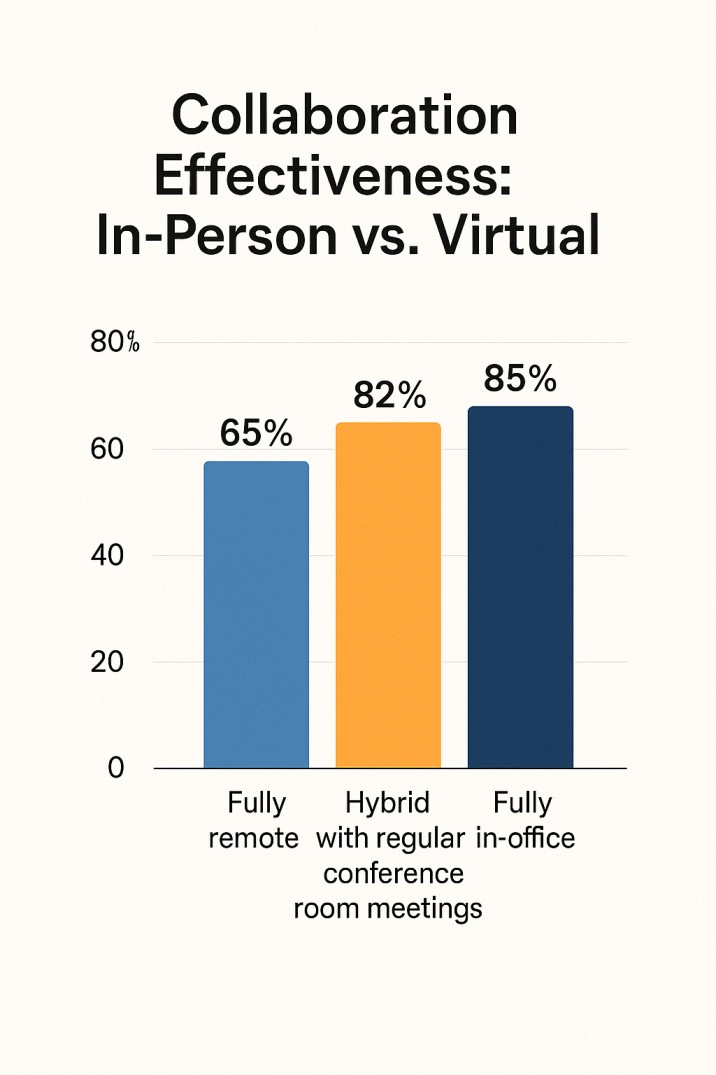
Research consistently shows that hybrid teams using physical meeting spaces at least once per quarter report higher trust and faster project completion. Physical environments enhance engagement because they recreate what remote setups lack: unplanned connection and tangible focus.
Conference Rooms as Emotional Architecture
Beyond functionality, conference rooms shape emotion. They set the stage for confidence, belonging, and authority. Their lighting, layout, and sound influence how people feel heard or ignored. Modern design thinking treats conference rooms not as static chambers but as emotional ecosystems.
A round table implies equality. Adjustable lighting softens tension. Integrated digital boards turn passive listeners into active contributors. The space becomes an extension of the team’s psychology. Companies that invest in these sensory and spatial dynamics send a silent message: “Your voice matters here.”
The Hybrid Evolution of Conference Rooms
The conference room of today is a hybrid stage — part physical, part digital. Smart cameras track speakers, echo-canceling systems eliminate chaos, and cloud-based dashboards merge remote attendees seamlessly into discussions. This evolution isn’t about nostalgia; it’s about balance.
In hybrid organizations, the physical conference room has become the epicenter of cross-reality collaboration. Teams no longer fight to make remote colleagues feel included — the architecture itself does that work. Technologies like digital whiteboards, AI transcription, and real-time captioning have blurred the line between “in the room” and “dialed in.”
But even with all these tools, the physical presence of a few people in a conference room still anchors the digital participants. It signals focus, sets rhythm, and defines boundaries between casual chatting and deliberate creation.
Cultural Significance in a Remote Era
Culture is fragile in remote settings. It needs ritual, rhythm, and shared experiences to survive. Conference rooms provide that ritual — a recurring moment where dispersed teams converge, where voices overlap in real time. They are the campfires of the modern corporation.
In-person meetings are not about replacing virtual efficiency; they’re about sustaining human warmth. A handshake, shared laughter, or collective silence cannot be replicated through pixels. Physical spaces remind people that organizations are built by people, not profiles.
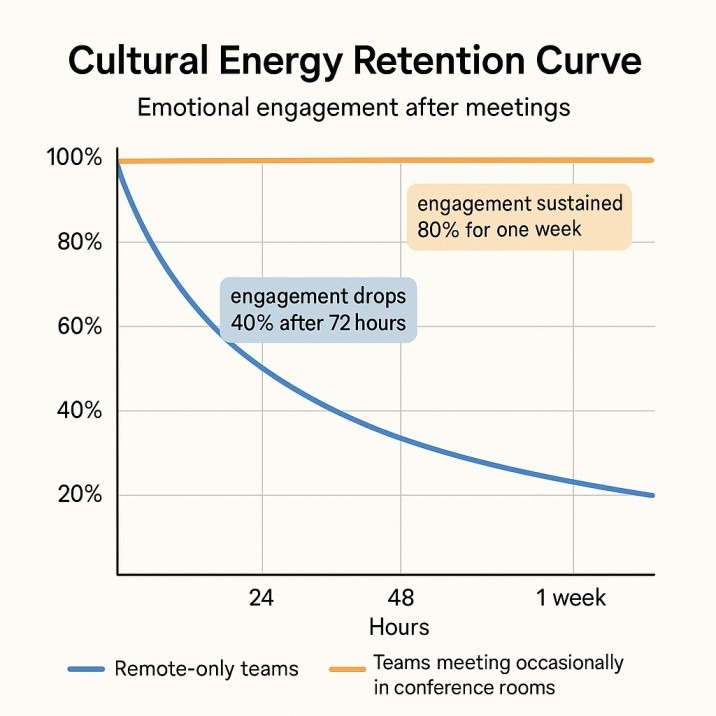
When companies host quarterly in-person gatherings, even brief ones, employees often describe feeling “recharged,” “reconnected,” and “refocused.” These aren’t soft sentiments — they’re the emotional infrastructure of long-term productivity.
The ROI of Spatial Connection
Some executives still question the cost of maintaining conference rooms in the era of global video calls. But data reveals that their ROI lies not in square footage — but in strategic outcomes. Meetings held in well-designed rooms result in quicker consensus and fewer miscommunications. Decision turnaround time shortens by nearly 25%.
Moreover, conference rooms strengthen brand identity. Clients walking into a well-crafted space experience the company’s culture physically — through colors, materials, and atmosphere. In industries where trust and perception matter, these subtle elements translate directly into value.
Beyond Walls: The Symbolism of Gathering
Every organization needs physical symbols of unity. The logo, the office, the conference room — each tells a story about identity. The persistence of conference rooms reflects something deeper than logistics. They represent a shared belief that collaboration is human first, technological second.
When remote-first companies like GitLab or Automattic occasionally rent physical spaces for strategy weeks, they’re not betraying remote values — they’re amplifying them. The room becomes a mirror that reminds people of their collective mission, anchoring distributed energy into a common pulse.
Conference Rooms and the Psychology of Belonging
Neuroscience confirms that humans perform better when they feel seen. The geometry of conference rooms — open layouts, eye-level seating, and spatial equality — reinforces inclusion. Conversely, poorly designed rooms with hierarchical seating or opaque glass isolate and demotivate.
In hybrid workplaces, these design nuances affect remote participants as well. A properly lit room signals attention even through a webcam. A centered camera perspective creates parity. The modern conference room is thus an empathy machine — translating physical presence into digital inclusivity.

The Future of Conference Rooms
Tomorrow’s conference rooms will be adaptive, data-driven, and deeply human. AI systems will analyze participation dynamics, adjust lighting based on energy levels, and optimize acoustics in real time. Sustainability will guide design — with eco-friendly materials, modular walls, and digital twins to reduce waste.
Yet, their essence won’t change. The room will remain a crucible of trust and transformation — a place where voices merge into vision. In an age when algorithms mediate most interactions, the simple act of gathering around a table will become even more meaningful.
Conference rooms endure not because they resist technology, but because they embody something technology cannot: presence.
Conclusion: The Human Center Remains
Remote work will continue to evolve, and virtual platforms will grow more intelligent. But in the end, the most sophisticated tool of collaboration is still proximity. Conference rooms are not relics of a pre-digital past — they are the connective tissue between our physical instincts and digital ambitions.
They remind teams that innovation starts not in code or cloud, but in conversation — real voices, real gestures, real connection. The future of work may be remote, but the heart of collaboration will always have a room.

Andrea Balint is a writer and researcher focused on human behavior, workplace psychology, and personal growth. Through her work at CareersMomentum, she explores how mindset, leadership, and emotional intelligence shape modern careers. With a background in communication and HR development, she transforms complex ideas into practical insights that help readers build clarity, confidence, and professional purpose.