
Trust is not built through authority; it’s cultivated through awareness. In leadership, where every decision echoes across teams and cultures, the bridge between confidence and connection is formed by emotional intelligence habits. These habits are not surface-level techniques but subtle daily behaviors that transform leadership from a command-driven model into a relationship-driven one. When leaders embody self-awareness, empathy, and restraint, they nurture an atmosphere where people don’t just comply—they commit.
At its core, emotional intelligence represents an inner fluency with human emotion—recognizing, regulating, and responding to feelings in a way that fosters collaboration and trust. The modern workplace no longer rewards only technical expertise; it rewards leaders who understand people as deeply as they understand processes. This is where emotional intelligence habits redefine influence, ensuring every communication feels authentic, every correction feels supportive, and every achievement feels shared.
The Emotional Core of Leadership
When leaders adopt emotional intelligence habits consistently, they alter the psychological fabric of the workplace. A leader who listens before responding, who names their own emotions without defensiveness, and who values feedback as connection rather than critique, sets a behavioral tone for the entire organization. Emotional regulation becomes contagious. Team members begin to mirror the balance they observe, interpreting composure not as detachment but as confidence rooted in self-awareness.
These habits operate beneath the surface of everyday management—they appear in pauses, in the choice of words, in facial micro-expressions. Studies show that 58% of job performance in leadership roles is attributed directly to emotional intelligence. Trust, in this sense, becomes measurable. A leader who regularly practices emotional intelligence habits builds a cycle of credibility and safety. Employees approach problems sooner, admit mistakes faster, and collaborate more openly because they feel psychologically secure, not scrutinized.
Self-Awareness as the Foundation of Trust
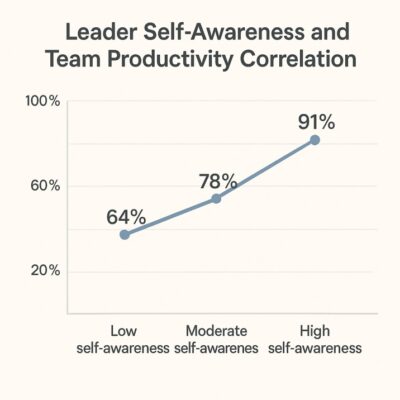
The first and most transformative of all emotional intelligence habits is self-awareness. Leaders who can recognize their triggers prevent reactive communication, which is the root cause of most workplace conflict. Instead of responding to pressure with frustration or blame, emotionally intelligent leaders pause, evaluate, and choose responses that maintain dignity for everyone involved.
Trust grows from predictability. When employees know their leader won’t emotionally fluctuate with every challenge, they begin to relax into their roles, perform better, and express ideas without fear. Emotional intelligence habits like journaling reflections, mindfulness pauses before key meetings, or short debriefs after emotionally charged conversations train leaders to align emotion with intention. This steady inner rhythm becomes the foundation upon which sustainable leadership trust is built.
The Habit of Listening Beyond Words
Listening is not an action; it’s an attitude. Emotionally intelligent leaders do not listen merely to reply—they listen to understand emotional context. Teams instantly sense the difference between waiting for their turn to speak and genuinely absorbing another person’s perspective. Leaders who master emotional intelligence habits of listening create an invisible current of respect, even when their final decisions differ from the input received.
Listening beyond words also means noticing silence, hesitation, and tone. These micro-moments often reveal far more than any spoken sentence. When a team member feels their emotions are recognized without judgment, trust flourishes. These are not abstract traits—they are repeatable habits, shaped through awareness and intention.
Research from Harvard Business Review indicates that teams with emotionally attentive leaders show 37% higher retention and 24% higher innovation rates. Emotional intelligence habits, when embodied through attentive listening, evolve from soft skills into hard results.
Regulating Emotion Under Pressure
Leadership inevitably exposes emotional thresholds. In moments of tension—missed deadlines, stakeholder pressure, internal conflict—the most visible trait of an emotionally intelligent leader is restraint. The ability to remain calm without suppressing authenticity signals maturity and earns enduring respect. Teams tend to emulate the emotional temperature of their leaders; panic cascades, but so does calm.
Emotion regulation, one of the most vital emotional intelligence habits, involves conscious response patterns. Instead of reacting impulsively, emotionally intelligent leaders ground themselves through breathwork, perspective reframing, or empathy checks. They ask, “What’s the intent behind this emotion, and what outcome do I want from expressing it?”
This type of emotional literacy builds moral authority. Employees trust what they can anticipate, and consistent emotional regulation turns leadership from positional authority into relational influence.
Empathy as Strategic Leadership Intelligence
Empathy is often mistaken for softness, but in high-performance cultures, it’s a strategic advantage. It allows leaders to anticipate team morale shifts before they become crises. Empathy-driven leaders use their emotional intelligence habits to read emotional cues in meetings, detect burnout early, and tailor feedback to preserve motivation while still driving accountability.
When empathy is habitual, it no longer feels forced. Employees sense this natural attentiveness and interpret it as trustworthiness. They disclose challenges earlier, request help before failures occur, and respond more openly to guidance. Emotional intelligence habits rooted in empathy bridge hierarchy gaps, turning management into mentorship.

Authenticity and Transparency
True emotional intelligence habits revolve around congruence—aligning values with actions. Authentic leaders do not attempt to appear perfect; they show vulnerability without losing authority. Admitting uncertainty or learning from feedback signals strength rather than weakness. Employees trust what is real, not what is rehearsed.
Transparency, therefore, is the behavioral manifestation of emotional intelligence. It means sharing reasoning behind decisions, acknowledging mistakes, and inviting dialogue rather than dictating it. When teams feel included in the emotional process of leadership, they become emotionally invested in organizational outcomes. Authenticity transforms compliance into commitment.
Cultivating Emotional Intelligence Habits Through Daily Practice
Developing these emotional intelligence habits requires reflection, not reinvention. Leaders must view every interaction as feedback from their environment. A tense conversation reveals triggers; a team win reveals collective emotion; silence after meetings reveals engagement quality. Emotional intelligence grows when leaders see these signals as information, not interruption.
Habits solidify through repetition: starting meetings with mindful grounding, expressing gratitude intentionally, and pausing before responding. Over time, these micro-rituals accumulate into macro-trust. Leadership becomes less about managing outcomes and more about managing emotional climates.
In this emotional ecosystem, trust is no longer a goal—it’s a byproduct. Every habit that acknowledges humanity strengthens professional bonds. Emotional intelligence habits turn leadership into a living practice of connection, one that sustains both morale and results even amid change.
Conclusion
The leaders who will thrive in the next decade are those who understand that emotion is infrastructure. Trust is not born from policies or slogans—it emerges from micro-behaviors repeated consistently. The architecture of modern leadership rests upon emotional intelligence habits: awareness that regulates reaction, empathy that humanizes hierarchy, and authenticity that bridges uncertainty.
When these habits become instinctive, they shape organizational cultures where people feel seen, safe, and inspired. In that emotional environment, performance ceases to be commanded—it becomes volunteered.

Andrea Balint is a writer and researcher focused on human behavior, workplace psychology, and personal growth. Through her work at CareersMomentum, she explores how mindset, leadership, and emotional intelligence shape modern careers. With a background in communication and HR development, she transforms complex ideas into practical insights that help readers build clarity, confidence, and professional purpose.