
Businesses are under growing pressure to minimize their environmental footprint. From waste management and carbon reduction to energy optimization and compliance reporting, the landscape of corporate responsibility has never been more complex. This is precisely why environmental consulting firms have become indispensable allies for organizations navigating the intersection of profit, policy, and the planet. But how do you choose the right one for your industry?
Understanding what environmental consulting firms actually do is the first step toward making a meaningful decision. These firms specialize in assessing environmental impact, developing sustainability strategies, and ensuring companies meet ever-changing environmental regulations. They operate across diverse industries—from manufacturing and construction to tech and agriculture—each requiring tailored expertise. The right partner doesn’t just keep your operations compliant; they transform environmental responsibility into a competitive advantage.
Choosing the right environmental consulting firm determines how effectively your business meets sustainability goals. The ideal partner combines technical expertise, regulatory insight, and industry-specific experience. Environmental consulting firms help organizations reduce emissions, manage compliance, and convert sustainability into measurable growth. In 2025, businesses that align with proactive, data-driven environmental consulting firms gain resilience, reputation, and long-term competitive advantage.
Industry-Specific Expertise: The Core of Effective Collaboration
No two industries face the same environmental challenges. Manufacturing companies often battle with emissions and waste disposal, while agricultural enterprises must manage soil health and water conservation. Energy producers juggle carbon emissions and land use, and construction firms confront site remediation and sustainable materials sourcing. This is why environmental consulting firms that claim to serve “all industries” equally should be approached with caution. Depth of knowledge often outweighs breadth of coverage.
The firm you select must demonstrate familiarity with your industry’s core processes and regulatory pressures. For instance, a company in heavy manufacturing would benefit more from environmental consulting firms that understand air quality monitoring and waste treatment systems, while a software company might require expertise in sustainable office infrastructure or data center energy efficiency.
The Strategic Role of Environmental Consulting Firms in Compliance and Growth
Environmental regulations are no longer static—they evolve with political shifts, technological innovation, and public awareness. What was compliant five years ago might now be considered negligent. The most reliable environmental consulting firms don’t just react to change—they anticipate it. They interpret complex legislative updates, conduct audits, and design forward-thinking sustainability programs that keep businesses ahead of regulatory curves.
Beyond compliance, these firms drive innovation. They often identify inefficiencies that save money while reducing emissions. A packaging manufacturer, for example, may partner with environmental consulting firms to redesign materials, resulting in lower production costs and reduced waste. Similarly, a logistics company might collaborate to optimize routes, lowering both fuel consumption and carbon output. In this way, environmental consulting firms operate as strategic partners, not merely auditors.
Evaluating Credibility and Certification
When evaluating environmental consulting firms, credibility is everything. Certifications such as ISO 14001, LEED, or accreditation from national environmental authorities demonstrate a baseline commitment to standards and quality. But beyond certificates, proof of results speaks louder. Case studies, testimonials, and measurable outcomes can reveal whether a firm’s impact goes beyond theory.
Clients should also inquire about the team’s qualifications—environmental engineers, biologists, and sustainability strategists often collaborate to provide holistic insight. Some firms may also employ data scientists to model environmental outcomes, an increasingly valuable capability as climate analytics become central to decision-making.
Tailoring Services to Business Goals
A mistake many organizations make is hiring environmental consulting firms only after encountering a compliance issue or reputational threat. The smarter approach is proactive partnership—aligning consulting goals with business objectives from the outset. A construction company focused on green certifications might collaborate to integrate eco-friendly materials, while a logistics brand might target carbon-neutral delivery through emissions tracking and offset programs.
This alignment transforms environmental goals into strategic differentiators. Consumers are now more environmentally conscious than ever, and brands that demonstrate tangible sustainability efforts gain stronger trust and market share. Thus, the right consulting firm doesn’t just prevent fines—it amplifies brand value.
The Value of Data and Technology Integration
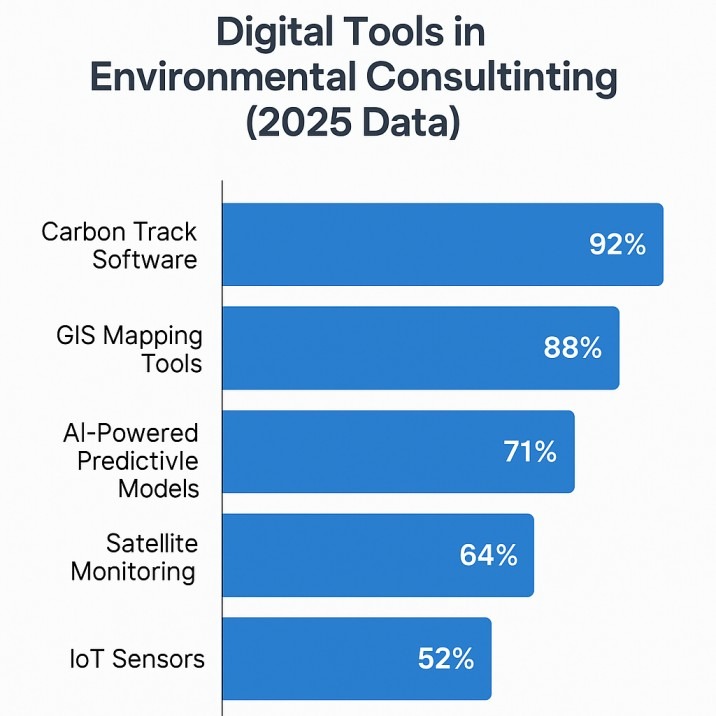
Modern environmental consulting firms increasingly rely on technology to quantify impact. Advanced data analytics, satellite imagery, and AI-driven models enable precise measurement of pollution levels, energy consumption, and carbon offsets. These insights turn abstract sustainability goals into measurable performance metrics.
For example, environmental consulting firms can install sensors to track industrial emissions in real time or employ predictive modeling to forecast the ecological footprint of new infrastructure projects. This level of detail enables decision-makers to invest confidently in greener technologies.
Building a Long-Term Partnership
The relationship between a business and its environmental consulting firm should be continuous, not transactional. Sustainability is a journey, and metrics evolve with industry trends, regulatory updates, and technological advancements. Long-term partnerships allow for consistent monitoring, reporting, and adaptation.
When companies switch between multiple environmental consulting firms, they risk losing institutional knowledge—valuable historical data about emissions trends, audit outcomes, and performance benchmarks. Continuity ensures that environmental strategy evolves coherently rather than restarting every few years.
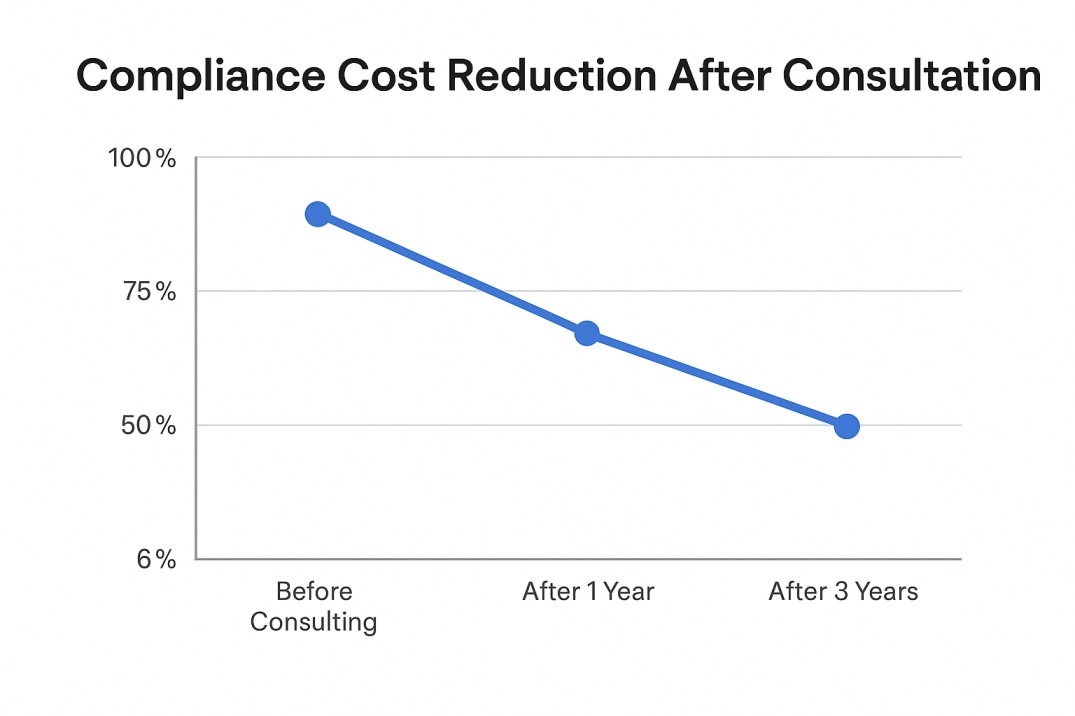
Moreover, a lasting partnership builds trust. The firm becomes familiar with your operations, your team, and your goals, allowing for proactive recommendations rather than reactive interventions. Over time, these relationships yield compounding benefits: reduced costs, better compliance, and a stronger sustainability reputation.
The Bottom Line
Choosing the right environmental consulting firm for your industry isn’t simply about hiring expertise—it’s about selecting a partner aligned with your values, challenges, and aspirations. The right firm doesn’t just assess environmental risks; it integrates sustainability into the DNA of your business model. Whether you operate in construction, technology, energy, or agriculture, collaboration with experienced environmental consulting firms can transform compliance into competitive strength and responsibility into growth.
As global sustainability expectations intensify, those who act early will define the standards others follow. Environmental consulting firms aren’t just external advisors—they are architects of the sustainable industries of tomorrow.

Andrea Balint is a writer and researcher focused on human behavior, workplace psychology, and personal growth. Through her work at CareersMomentum, she explores how mindset, leadership, and emotional intelligence shape modern careers. With a background in communication and HR development, she transforms complex ideas into practical insights that help readers build clarity, confidence, and professional purpose.