
Stepping into the world of sustainability isn’t just a passion—it’s a professional calling. For many students and graduates, securing an environmental science internship is the defining first step toward translating academic knowledge into practical, meaningful impact. Yet, the path toward landing such an opportunity can feel uncertain. Between competitive application pools and the technical diversity of the field, understanding how to align your goals with the right internship is key.
An environmental science internship bridges the gap between theory and field experience, placing you in ecosystems of learning that stretch far beyond classrooms and textbooks. It’s where you’ll test scientific reasoning, observe the consequences of human activity, and contribute—however modestly—to the planet’s ongoing story of recovery and renewal. But to reach that point, you need clarity, purpose, and strategy. This guide explores what it takes to secure that role, how to stand out, and why internships in environmental science shape the foundation for a lifetime of sustainability-driven success.
Understanding the Purpose Behind an Environmental Science Internship
Every environmental science internship serves two masters: the organization’s mission and the intern’s learning curve. Companies, NGOs, and research labs offering internships are not only recruiting extra hands—they’re seeking fresh minds curious about environmental systems and analytical methods. You’ll encounter tasks ranging from soil and water testing to biodiversity cataloging, data collection, and sustainability reporting.
Internships like these immerse you in complex ecological interactions. You might analyze how climate variables affect soil fertility or how urbanization impacts air quality. Regardless of specialization, you’ll find yourself engaging in work that blends observation, experimentation, and storytelling. That narrative element—how you articulate your findings—will often be what sets you apart from others in the field.
Preparing Yourself for the Right Opportunity
Finding an environmental science internship is not just about sending resumes—it’s about aligning your interests with what the market demands. Start by evaluating what part of the environmental ecosystem excites you most. Some students prefer fieldwork, trekking through wetlands or forests with sampling kits. Others find their place behind data dashboards, monitoring satellite imagery or conducting lab-based experiments.
Academic excellence helps, but curiosity carries equal weight. Many organizations prioritize initiative—how willing you are to ask questions, design experiments, or improve existing protocols. Demonstrating your readiness through coursework projects, volunteer work, or local environmental club involvement can make you stand out. Employers often value experience in GIS mapping, basic programming for data visualization, or proficiency in sustainability frameworks like LEED and ISO 14001.
The Research and Application Phase

Internship openings in environmental science appear on academic bulletin boards, specialized platforms, and environmental organization websites. However, the key lies not in applying everywhere but in identifying roles aligned with your expertise and ethics. A environmental science internship should reinforce your understanding of sustainability, not dilute it in administrative busywork.
When crafting your application, focus on purpose. In your cover letter, describe how your scientific curiosity translates into practical contributions. Discuss a specific project—perhaps a study on water contamination or renewable energy policy—that inspired you to act. Employers want to see how you connect your passion for the environment to measurable outcomes.
Follow up applications with professionalism. A brief email expressing gratitude for consideration can set you apart, signaling initiative and communication strength—qualities crucial in every environmental science internship.
The Experience of Being an Intern
Once you’ve landed your environmental science internship, the real learning begins. Expect your first few weeks to revolve around orientation and field familiarization. You might shadow scientists collecting data, or assist engineers designing clean water systems. In research-oriented roles, your days might involve literature reviews, data validation, and report writing.
Every observation, every lab note, every question matters. Supervisors notice interns who engage with context—those who ask why a method is used instead of another or suggest minor adjustments for efficiency. Curiosity signals that you’re not just doing tasks—you’re thinking like a scientist.
You’ll also experience the ethical and emotional dimensions of sustainability. Witnessing pollution, deforestation, or habitat loss firsthand can be sobering. Yet these experiences give your career its purpose. The people you meet—mentors, environmental activists, field engineers—will model different ways of translating science into advocacy and policy.
Turning Internship Experience into Career Momentum
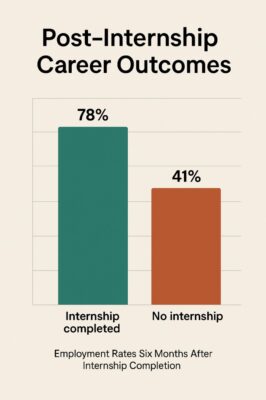
The conclusion of your environmental science internship is often just the beginning of your professional narrative. Documenting your experience with detail and reflection helps you stand out when applying for full-time roles. Keep field notes, project results, and supervisor feedback organized into a portfolio that showcases measurable outcomes—whether it’s biodiversity counts, energy optimization reports, or public awareness campaigns you contributed to.
Your internship supervisors can become lifelong mentors. Stay connected with them, especially if they belong to research institutions or environmental NGOs. Networking in this field isn’t about transactional gain—it’s about shared commitment to environmental stewardship. Many full-time job offers arise organically from these professional relationships built during internships.
The Global Relevance of Environmental Science Internships
As global industries pivot toward carbon neutrality and renewable energy, the environmental science internship has evolved from an academic requirement into a societal necessity. Governments and corporations increasingly view environmental interns as contributors to sustainable strategy rather than temporary assistants. Their fresh analytical skills and awareness of emerging technologies often drive innovation within established systems.
The ongoing climate crisis ensures that this demand will only grow. Fields like carbon capture, water resource management, and environmental policy are projected to expand by over 20% in the next decade. Interns entering today’s programs could find themselves shaping sustainability standards that influence global policy by 2035.
Closing Thoughts
Securing an environmental science internship is far more than an academic milestone—it’s a declaration of purpose. It signals that you’re ready to engage directly with the challenges of sustainability and contribute tangible solutions. The process demands more than academic excellence; it requires emotional intelligence, scientific precision, and perseverance.
Each stage—from application to fieldwork—teaches you to see the environment as a living system that responds to both care and neglect. You begin not merely as a student seeking experience, but as an emerging professional dedicated to planetary balance. By viewing your internship as both a scientific and moral commitment, you set the foundation for a career built on curiosity, conscience, and impact.

Andrea Balint is a writer and researcher focused on human behavior, workplace psychology, and personal growth. Through her work at CareersMomentum, she explores how mindset, leadership, and emotional intelligence shape modern careers. With a background in communication and HR development, she transforms complex ideas into practical insights that help readers build clarity, confidence, and professional purpose.