
The giving and receiving feedback activity stands as a cornerstone of growth. It’s more than an exchange of opinions—it’s a dialogue that defines how individuals learn, adapt, and elevate performance. When handled with empathy, structure, and clarity, this activity transforms potential discomfort into empowerment. It bridges the gap between intention and perception, helping teams align their goals and individuals refine their craft.
At its heart, the giving and receiving feedback activity is a skill that blends communication psychology, self-awareness, and trust. It’s not merely about evaluation—it’s about evolution. Whether between managers and employees, teachers and students, or peers collaborating on shared goals, feedback serves as the compass guiding progress.
The giving and receiving feedback activity is a cornerstone of personal and professional growth. It turns ordinary communication into a structured exchange that builds trust, clarity, and progress. When guided by empathy and focus, feedback strengthens teamwork, sharpens awareness, and drives continuous improvement. This practice helps individuals align perception with performance and transform reflection into real growth.
The Core Philosophy Behind Feedback
To master the giving and receiving feedback activity, one must first understand its psychological foundation. Feedback operates on a dual axis: emotional safety and actionable insight. When feedback lacks emotional grounding, it breeds defensiveness. When it lacks structure, it becomes meaningless. The art lies in balancing honesty with respect, direction with support, and critique with encouragement.
In a world that often glorifies results over process, people forget that feedback is the invisible engine behind performance. Every skill sharpened, every behavior adjusted, every milestone achieved can often be traced back to a moment when someone received constructive feedback.
Turning Feedback into a Growth Conversation
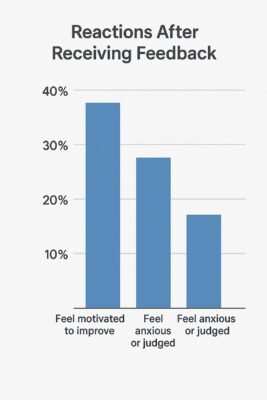
Most people fear feedback because they associate it with judgment. But the giving and receiving feedback activity, when properly executed, shifts that mindset. It turns evaluation into conversation and judgment into curiosity. Instead of “You did this wrong,” it becomes “Here’s how we can make this even better.” This shift in language creates psychological safety—a space where individuals can reflect openly without fear of embarrassment or blame.
Feedback is a mirror; it reflects both the giver’s intention and the receiver’s perception. If the reflection is distorted by emotion, ego, or unclear phrasing, the message loses its impact. That’s why empathy, timing, and framing are the unspoken pillars of every successful feedback exchange.
The Role of Active Listening
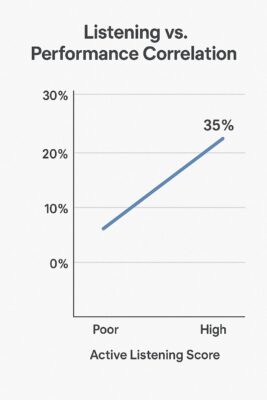
The most overlooked aspect of the giving and receiving feedback activity is active listening. Feedback is not a monologue—it’s a dialogue that demands attention on both sides. The receiver’s willingness to listen determines the effectiveness of the giver’s words. Likewise, the giver’s ability to listen to the receiver’s perspective ensures that feedback becomes a two-way bridge rather than a one-way critique.
Imagine two professionals engaged in this process. One speaks candidly but compassionately; the other listens intently, pauses to reflect, and asks clarifying questions. In that moment, trust is reinforced, and the relationship deepens. This is the essence of mastering the giving and receiving feedback activity—it becomes less about correction and more about connection.
Feedback as a Culture, Not a Moment
True growth occurs when the giving and receiving feedback activity becomes habitual, not exceptional. Organizations that integrate feedback into their daily culture outperform those that treat it as a rare performance review ritual. When leaders model open feedback behavior, they signal that growth is continuous and communication transparent.
Employees in such cultures no longer dread annual reviews. Instead, they engage in ongoing dialogues that refine their skills week by week. This consistent rhythm reduces anxiety, improves team cohesion, and builds accountability. Over time, feedback becomes a shared language of improvement rather than an occasional event of evaluation.
Overcoming Resistance to Feedback
Resistance is natural. The human ego is wired to protect self-image, making feedback feel like an attack even when it’s constructive. To overcome this, participants in the giving and receiving feedback activity must cultivate emotional maturity. Givers must choose their timing wisely, avoid condescending tones, and anchor feedback in observable behavior rather than assumptions. Receivers, on the other hand, must approach feedback with curiosity rather than defensiveness.
Psychologically, resistance begins to fade when people see feedback as data, not drama. Data can be analyzed, tested, and acted upon. Drama, on the other hand, becomes personal. By depersonalizing feedback, the activity becomes an exercise in self-improvement, not self-defense.
The Role of Reflection
Receiving feedback is only half the equation. Reflection transforms that information into action. When individuals pause to process feedback rather than react impulsively, they shift from emotional to analytical mode. This reflection stage allows for genuine learning.
A simple reflection framework involves three internal questions:
- What part of this feedback resonates with observable truth?
- How does this align with my goals or values?
- What immediate change can I implement today?
This reflective habit ensures that the giving and receiving feedback activity leads to visible progress rather than momentary discomfort.
Building Feedback Competence in Teams
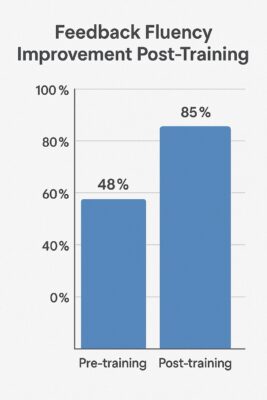
Teams that invest in feedback training outperform those that rely on informal comments. Workshops centered around the giving and receiving feedback activity help individuals practice empathy, phrasing, and listening. Through role-play and real examples, employees learn how to give feedback that motivates and receive it without emotional friction.
Such sessions cultivate “feedback fluency”—the ability to express thoughts constructively and absorb critique constructively. In the long run, this fluency enhances collaboration, innovation, and leadership development.
Leadership and Feedback
Leaders define the feedback tone for their teams. When managers engage vulnerably—asking for feedback on their own performance—they normalize openness. The giving and receiving feedback activity, when initiated by leadership, signals humility and shared accountability. Employees see that feedback flows in all directions, not just top-down.
A leader who says, “Tell me what I can do better,” creates psychological permission for honesty. Over time, this dynamic reshapes the organizational hierarchy into a network of trust rather than control. Feedback thus becomes a leadership skill as essential as decision-making or strategy.
Digital Feedback in the Hybrid Era
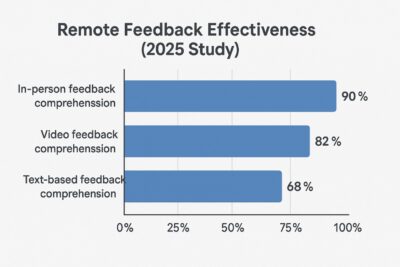
With the rise of remote and hybrid work, the giving and receiving feedback activity has evolved into digital spaces—video calls, chat tools, and performance dashboards. However, the challenge remains the same: preserving empathy through screens. Tone, timing, and context become even more important when body language and nonverbal cues are absent.
In digital environments, written feedback must carry emotional warmth without losing clarity. Phrases like “I appreciate your effort on this project, and here’s how we can improve together” soften the message while maintaining direction. Digital feedback platforms that encourage ongoing dialogue—rather than one-off comments—replicate the essence of face-to-face exchange.
From Feedback to Feedforward
A powerful evolution of the giving and receiving feedback activity is the concept of “feedforward.” Instead of dwelling on past mistakes, feedforward focuses on future behavior and solutions. It invites growth by asking, “What can we do next time?” rather than “What went wrong?”
Feedforward eliminates blame and empowers creativity. It reframes critique as collaboration, aligning everyone toward improvement rather than guilt. By integrating this approach, individuals and organizations sustain a culture of continuous evolution—one where feedback isn’t feared but sought after.
Conclusion
Mastering the giving and receiving feedback activity is mastering the language of growth. It requires emotional intelligence, structured communication, and reflective thinking. It is not about finding flaws but about unlocking potential. Every conversation—whether between peers, leaders, or students—holds the power to transform performance, deepen trust, and cultivate excellence.
When people learn to give feedback with respect and receive it with openness, they turn vulnerability into strength. In doing so, they don’t just improve their work—they elevate their humanity.

Andrea Balint is a writer and researcher focused on human behavior, workplace psychology, and personal growth. Through her work at CareersMomentum, she explores how mindset, leadership, and emotional intelligence shape modern careers. With a background in communication and HR development, she transforms complex ideas into practical insights that help readers build clarity, confidence, and professional purpose.