The workplace has shifted. The office no longer defines professional culture—connection does. With hybrid models, digital collaboration tools, and distributed teams across continents, one question has grown more relevant than ever: how do you get into human resources when the “human” part of the job now happens through a screen?
Human Resources has always been about people, but the definition of people management has evolved. In a remote-first world, empathy, technology, and cultural fluency intersect. To understand how do you get into human resources today, you must grasp this intersection—not just as a function of business but as a reflection of how modern organizations breathe and adapt.
Getting into human resources today means mastering empathy, technology, and cultural intelligence. Modern HR blends data-driven insight with emotional understanding to build connected, inclusive workplaces. Success now depends on adapting to remote collaboration, using digital tools wisely, and ensuring that technology strengthens rather than replaces human connection.
The Evolving Landscape of Human Resources
The HR profession is experiencing a quiet revolution. Where once it focused on administrative tasks, payroll, and compliance, today’s remote-first HR leader is also a digital strategist, culture architect, and emotional translator. If you’re wondering how do you get into human resources, it begins with understanding this broader purpose.
In remote environments, HR professionals are no longer bound by cubicles or local laws alone. They navigate virtual onboarding, cross-border payrolls, global mental health programs, and engagement strategies that transcend time zones. The role has expanded from “personnel management” to “people experience design.”
The Digital Competence Factor
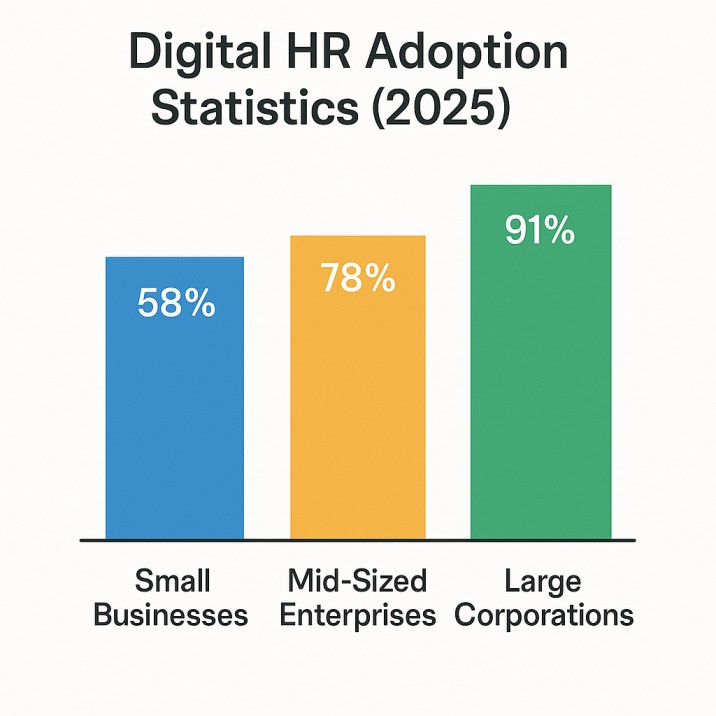
In the past, HR success relied on communication and intuition. Today, it also relies on technological fluency. Understanding digital platforms is now as critical as understanding human behavior. So when you ask, how do you get into human resources in this new landscape, part of the answer lies in your ability to navigate HR tech ecosystems.
Modern HR departments use artificial intelligence to screen resumes, analyze engagement data, and predict turnover trends. Cloud-based software manages remote attendance, learning progress, and global compliance. The HR professional of today isn’t just a people person—they’re a system thinker.
Human Connection in a Screen-Based World
Ironically, as technology rises, human connection becomes the true differentiator. The question how do you get into human resources can’t be answered through certifications alone; it’s also about mastering emotional intelligence across digital boundaries.
In traditional offices, empathy was expressed through presence—reading a colleague’s body language, noticing tension during meetings, or offering in-person reassurance. In a remote-first world, empathy must travel through tone, timing, and digital warmth. HR professionals now create emotional safety via Slack messages, virtual coffee breaks, and well-designed wellness initiatives.
This is the essence of modern HR—understanding that remote work doesn’t erase humanity; it magnifies the need for intentional connection.
The Role of Data-Driven Empathy
Empathy and analytics are no longer opposites—they’re allies. If you want to know how do you get into human resources in today’s data-centric workplace, learn to quantify human experience without dehumanizing it.
Modern HR relies on metrics that measure sentiment, engagement, and psychological safety. Pulse surveys, retention dashboards, and AI-driven feedback loops turn intangible feelings into measurable indicators. But successful HR professionals interpret these numbers with emotional intelligence, ensuring they remain tools for compassion, not control.
Education and the New Career Pathways
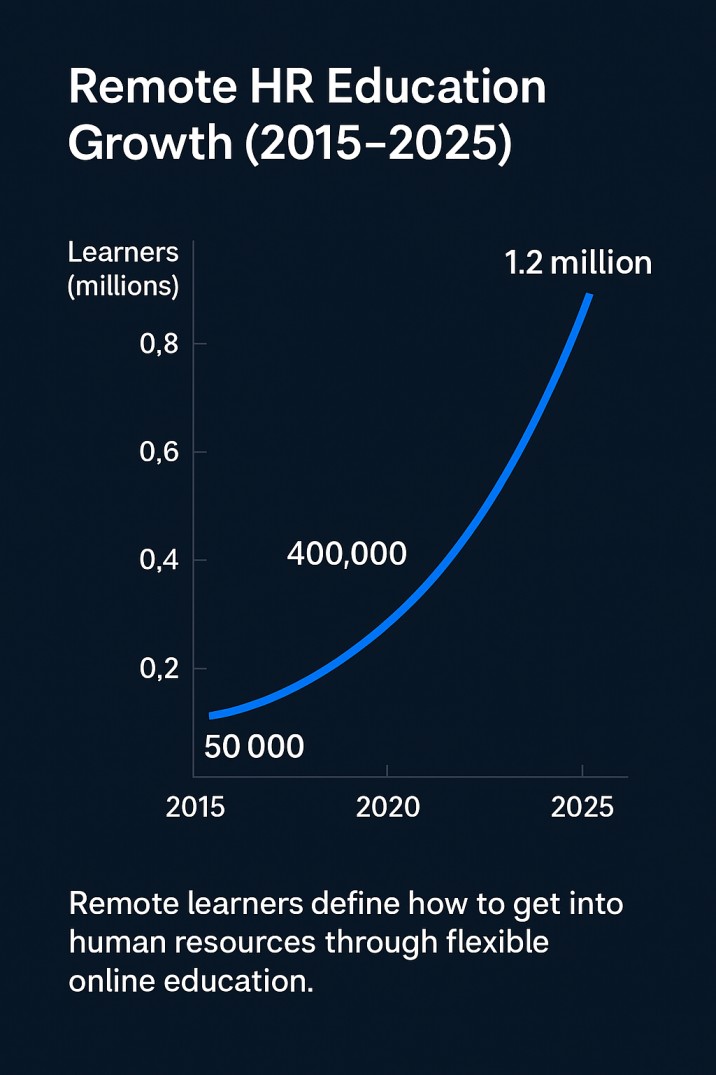
Traditionally, HR careers began with degrees in business administration or psychology. But in a remote-first world, the pathways have diversified. When asking how do you get into human resources, the answer might include online certifications, people analytics bootcamps, or specialized training in remote leadership.
The flexibility of online education mirrors the flexibility of modern work. Learning platforms like Coursera, SHRM, and LinkedIn Learning now provide globally recognized credentials that fit the remote lifestyle. The advantage? You can build expertise in HR strategy, employment law, or cultural intelligence from anywhere in the world
Cultural Intelligence as the New Core Skill
Diversity has evolved beyond compliance—it’s now strategy. In distributed teams, cultural intelligence becomes a vital HR superpower. If you’re asking how do you get into human resources, you’re also asking how to navigate cultural nuance across digital borders.
In remote-first structures, HR professionals deal with employees from multiple legal systems, languages, and communication norms. A gesture or tone that feels natural in one region may be misunderstood in another. Cultural awareness isn’t an accessory; it’s essential.
HR’s responsibility is no longer just inclusion—it’s integration. Ensuring that every digital meeting, recognition program, and policy feels inclusive to all participants is what defines successful people management in this era.
The Redefinition of Recruitment and Onboarding
Recruitment once meant handshakes and in-person interviews. Now it means pixels, profiles, and predictive analytics. Anyone asking how do you get into human resources in today’s hiring environment must understand that first impressions are now algorithmic.
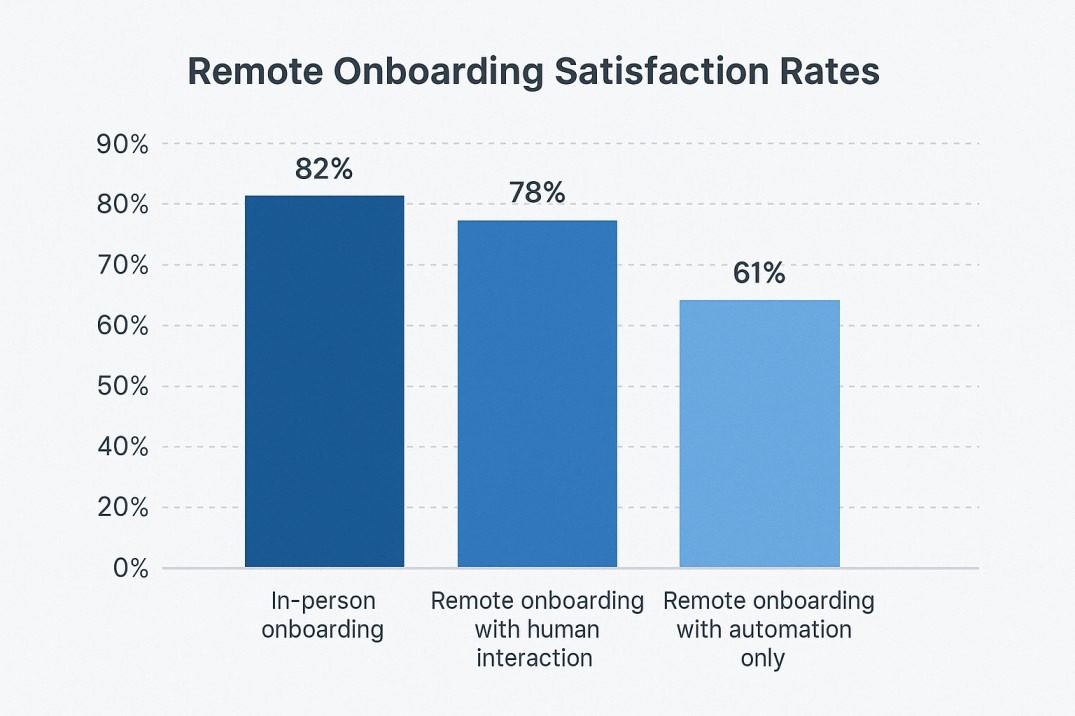
AI-powered platforms screen candidates for fit, video interviews gauge micro-expressions, and virtual onboarding programs introduce company culture through immersive modules. HR’s role is to ensure that this digital efficiency never erases authenticity.
The challenge is maintaining warmth in automation. Recruitment becomes a human experience enhanced by technology, not replaced by it.
The Psychological Shift: From HR to Human Experience Design
Today’s HR professionals no longer simply manage employees—they design experiences. Those researching how do you get into human resources are entering an era where psychology, branding, and behavioral science converge. The mission is not just to enforce policy but to curate belonging.
Remote work changes how people perceive their jobs. When the office disappears, culture becomes invisible architecture—shaped by tone, language, and rituals. HR must now craft these invisible structures intentionally. Everything from digital recognition programs to asynchronous communication frameworks defines how employees feel about their work.
Conclusion
The paradox of HR’s future is simple: it’s more digital, yet more human than ever. As organizations embrace remote-first strategies, HR stands at the crossroads of empathy and innovation. To truly understand how do you get into human resources, imagine yourself not as a gatekeeper but as a guide—someone who ensures that technology enhances human experience instead of replacing it.
The future belongs to professionals who think beyond compliance, who blend data with compassion, and who see digital tools as instruments of connection rather than control. How do you get into human resources in this world? By embracing adaptability, empathy, and an unshakable belief that every pixel can still carry humanity.

Andrea Balint is a writer and researcher focused on human behavior, workplace psychology, and personal growth. Through her work at CareersMomentum, she explores how mindset, leadership, and emotional intelligence shape modern careers. With a background in communication and HR development, she transforms complex ideas into practical insights that help readers build clarity, confidence, and professional purpose.