
Emotional resilience is tested daily, few professions carry the weight—and the reward—of a mental health worker. Behind every therapy session, crisis hotline, or rehabilitation program lies an individual committed to understanding human pain and helping others rebuild their sense of stability. But being a mental health worker isn’t only about compassion; it’s about discipline, emotional intelligence, and the courage to face suffering without losing your own sense of balance.
At its heart, this role blends science with empathy. A mental health worker stands at the intersection of psychology, healthcare, and social advocacy, often working quietly where human struggle meets hope. The role demands more than formal education—it calls for an enduring belief that change is possible, even in the darkest moments.
Being a mental health worker means mastering empathy without collapse. It requires emotional intelligence, discipline, and deep purpose to guide others through psychological turmoil while staying grounded. The profession merges science, ethics, and compassion to restore balance where pain dominates. A mental health worker becomes both listener and lifeline—translating human struggle into structured recovery and giving voice to healing where silence once lived.
The Essence of a Mental Health Worker
To understand what it takes to be a mental health worker, you must first grasp the essence of their mission: to promote psychological well-being across diverse populations. This can range from assisting patients with anxiety and depression to supporting individuals struggling with addiction or trauma. The work is dynamic, often unpredictable, and always deeply human.
A mental health worker may find themselves comforting a teenager in crisis one day and conducting community outreach the next. Their focus shifts constantly—from clinical observation to emotional guidance—requiring flexibility, resilience, and sharp interpersonal insight. But what remains constant is a shared goal: to empower individuals to regain control of their lives.
This profession also demands collaboration. A mental health worker often partners with psychiatrists, social workers, and medical professionals to ensure patients receive holistic care. These interdisciplinary efforts bridge the gap between emotional well-being and physical health, recognizing that the two are inseparable.
Emotional Intelligence as a Core Foundation
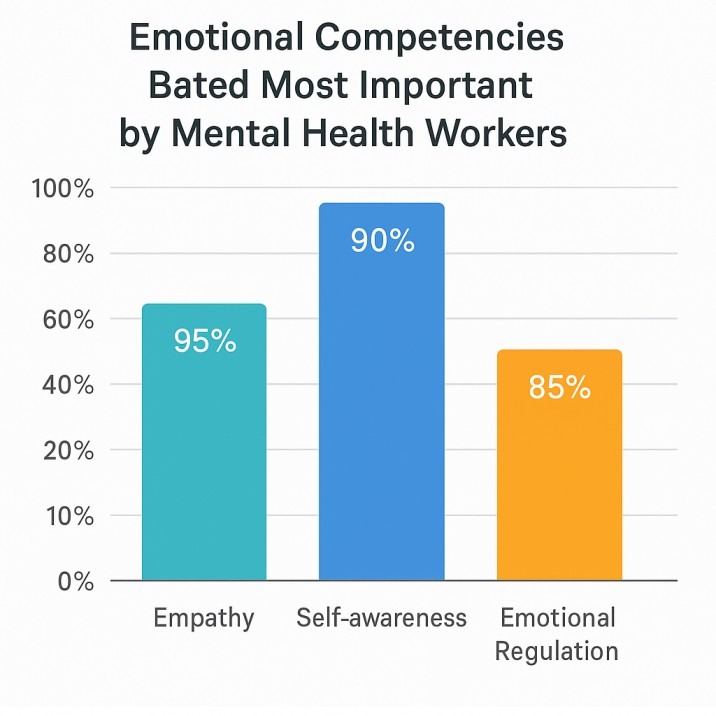
While technical knowledge and therapeutic methods are essential, emotional intelligence forms the backbone of effective practice. A mental health worker must read unspoken signals, navigate emotional volatility, and maintain calm under pressure. Empathy drives connection, but self-regulation ensures endurance.
It’s a delicate balance—caring deeply while not absorbing the distress of others. Many professionals undergo supervision and therapy themselves to sustain emotional clarity. Burnout is a constant threat, and without healthy boundaries, even the most dedicated mental health worker risks exhaustion.
The role also requires perspective-taking. It’s not enough to understand symptoms; one must see the person behind them. In practice, this means listening beyond words—interpreting silence, tension, or hesitation as vital data. The art lies in helping individuals articulate what they cannot yet name.
The Pathway and Preparation
Becoming a mental health worker involves more than obtaining a degree. Academic study provides the structure, but real growth begins through fieldwork. Supervised clinical experiences teach aspiring professionals how to navigate unpredictable human behavior while maintaining professionalism.
Education typically begins with psychology, counseling, or social work, followed by specialized certifications or postgraduate studies. But no syllabus can fully prepare one for the first encounter with genuine human despair. This is where mentorship plays a pivotal role. Experienced professionals guide newcomers through the emotional terrain—how to handle crises, how to speak when silence is heavy, and how to recover after difficult cases.
Beyond credentials, cultural competence has become indispensable. A mental health worker must understand how identity, socioeconomic background, and belief systems shape emotional experience. Without this awareness, even well-intentioned guidance can miss its mark.
The Human Cost and Reward
Being a mental health worker means living at the edge of empathy and exhaustion. The human cost is real—vicarious trauma, emotional fatigue, and the challenge of leaving work at work. Yet, the rewards are profound. Few professions offer such tangible evidence of change: seeing a withdrawn client laugh again, watching recovery unfold, or helping someone rediscover purpose after years of despair.
Still, the daily reality demands self-care and structure. Exercise, reflection, peer support, and therapy are not optional—they are survival tools. Without them, empathy becomes erosion. The most successful mental health worker learns to renew their compassion each day, rather than letting it deplete.
The Expanding Role in Modern Society
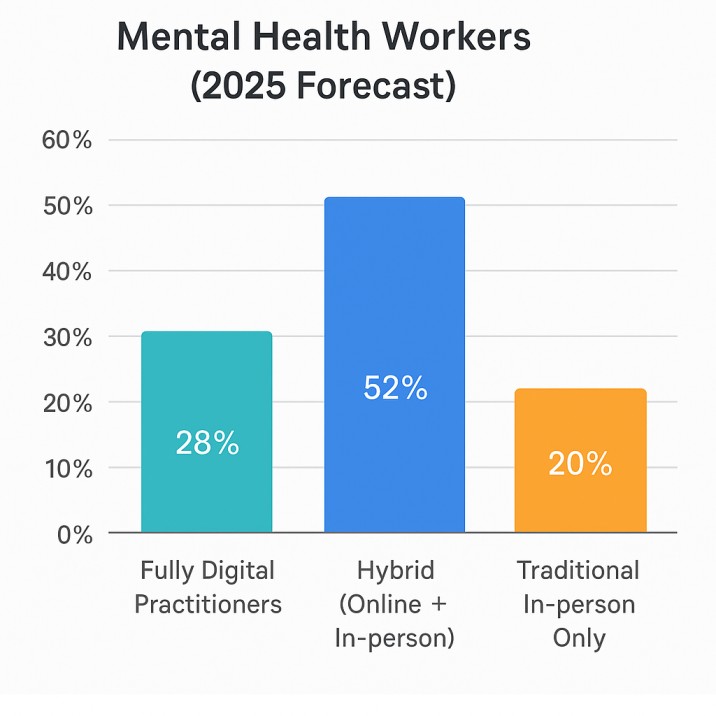
In 2025, the importance of a mental health worker has expanded beyond clinics. They are now integral to corporations, schools, and digital health platforms. Mental wellness is no longer a niche concern—it’s a pillar of productivity and innovation. As companies recognize the cost of burnout and anxiety, many employ in-house counselors or partner with mental health programs.
Technology has also redefined the role. Virtual therapy sessions, AI-driven mental health assessments, and online support networks enable professionals to reach clients who once lacked access. Yet this digital shift introduces ethical challenges—maintaining confidentiality, ensuring empathy through screens, and avoiding depersonalization.
The future mental health worker must merge clinical expertise with digital literacy. They need to understand not only human psychology but also data privacy, online safety, and cross-cultural communication. As society’s definition of “care” evolves, so too must the people providing it.
The Ethical Compass
Ethics is the silent heartbeat of mental health work. A mental health worker must handle confidential information with precision and integrity. Every decision carries weight—when to report a threat, when to maintain privacy, when to intervene. One misstep can damage trust or even endanger lives.
The ethical dilemmas in this field rarely present clear answers. They demand reflection, consultation, and humility. A mental health worker’s moral compass must align with both professional guidelines and personal conscience. Continuous training in ethics ensures that compassion remains anchored in responsibility.
Yet, ethics extends beyond confidentiality. It includes advocating for the vulnerable, challenging stigma, and pushing for systemic change. The best mental health worker understands that healing isn’t only individual—it’s cultural and collective.
Resilience Through Purpose
Ultimately, what it takes to be a mental health worker is purpose. This profession tests patience, intellect, and heart, often in the same day. There are moments when progress feels invisible and times when despair seems contagious. But then come breakthroughs—quiet transformations that reaffirm why the work matters.
Resilience grows not from ignoring pain but from witnessing it with meaning. Each story of healing reinforces that empathy, when practiced wisely, is renewable. For those called to this field, it is not merely a job but a vocation—a lifelong commitment to understanding the human condition in all its complexity.
The world will continue to evolve, but the essence of this role will remain: to listen, to guide, and to restore hope. A mental health worker embodies the bridge between suffering and recovery, between silence and understanding. In an era defined by mental strain, their quiet work sustains the emotional infrastructure of society itself.

Andrea Balint is a writer and researcher focused on human behavior, workplace psychology, and personal growth. Through her work at CareersMomentum, she explores how mindset, leadership, and emotional intelligence shape modern careers. With a background in communication and HR development, she transforms complex ideas into practical insights that help readers build clarity, confidence, and professional purpose.