
Developing strong remediation plans is critical for organizational resilience, risk management, and long-term trust. This article explores the most common pitfalls businesses make when designing remediation frameworks, emphasizing how poor execution can undermine compliance and operational recovery. Using real-world data, examples, and visual infographics, it reveals how companies can transform remediation from a reactive necessity into a strategic advantage.
When companies encounter compliance failures, data breaches, or environmental violations, the first instinct is often to fix the issue immediately. But without structured remediation plans, those quick fixes rarely last. A remediation plan is more than just a to-do list; it’s a structured framework for restoring compliance, trust, and operational integrity after a problem arises. Yet even the most well-intentioned teams make mistakes that render their plans ineffective.
The truth is that remediation plans demand a balance between technical accuracy and cultural adoption. They require leadership engagement, measurable milestones, and a clear understanding of what “remediation” truly means. Too often, organizations rush through the process, treating it as a checkbox exercise rather than an opportunity for systemic learning.
The Illusion of Speed in Remediation
One of the first mistakes teams make is assuming that faster is always better. While urgency is important, speed without structure leads to shallow fixes. For instance, cybersecurity firms often patch vulnerabilities within hours, only to realize weeks later that the root cause—like an outdated configuration policy—remains untouched.
In the context of remediation plans, speed must follow understanding. Effective remediation doesn’t just close the gap; it ensures that the same issue can’t reappear elsewhere in the system. According to a 2024 Gartner survey, 68% of failed remediation efforts were due to inadequate root cause analysis. That means nearly seven in ten organizations fixed the symptom but left the disease untouched.
According to seemplicity.io those are some common obstacles that cause remediation efforts:
1. No One Knows Who’s Responsible for What
- The Obstacle: One of the biggest reasons remediation plans fail is very straightforward: no one knows who’s responsible for what. Tasks fall through the cracks because assignments are too vague, and ownership isn’t clearly defined. People assume someone else is handling things, and before you know it, vulnerabilities are left unaddressed.
2. Underestimating How Complex Things Are
- The Obstacle: Sometimes, remediation plans fail because they overlook just how complicated the systems and teams really are. People often think they can solve issues quickly without considering all the dependencies and potential disruptions along the way. If you don’t fully grasp these complexities, your plan is going to fall apart.
3. Relying Too Much on Manual Processes
- The Obstacle: If your remediation plan relies heavily on manual tasks, you’re inviting trouble. Manual processes take time, they’re prone to human error, and they’re just not scalable. When managing a large number of vulnerabilities, this approach can quickly become overwhelming and lead to communication gaps.
Overlooking Stakeholder Involvement
Remediation plans often fail not because they’re technically flawed, but because they’re socially disconnected. A compliance officer may draft a detailed plan, yet without input from engineering, HR, or procurement, it collapses in implementation. Each department sees “remediation” through a different lens, and ignoring those perspectives creates blind spots.
A remediation plan works best when built collaboratively. Leadership must treat it as a shared responsibility, not a punishment for one team’s oversight. In many organizations, the people implementing the fixes are not the same ones who designed them, leading to communication breakdowns and unfulfilled corrective actions.
In one financial institution case study published by McKinsey, introducing cross-departmental reviews in remediation planning improved audit closure rates by 43% within a year. The evidence is clear: remediation plans thrive when they become organizational learning tools, not isolated compliance documents.

Data Without Context: The Reporting Trap
Another frequent mistake is treating data as the solution rather than the guide. Many remediation plans include extensive spreadsheets, dashboards, and reports—but they lack interpretive context. Numbers alone don’t convey whether a fix is effective. A reduction in incidents might signal improvement, or it could mean underreporting.
The best remediation plans use data as a narrative. They tell the story of how the problem evolved, how it was addressed, and how the environment has changed since. Data-driven remediation must answer why something failed, not just where it did.
This is where visualization becomes essential. Clear infographics help leadership grasp progress without drowning in metrics. For example, compliance teams tracking risk reduction can use visual heat maps to highlight progress zones and problem clusters.
Ignoring Behavioral Change

Remediation plans often focus on systems, not people. A corrected process or updated policy means little if the underlying human behavior doesn’t change. Employees might still skip steps, reuse weak passwords, or dismiss security reminders if they don’t understand the importance of compliance culture.
According to a Forbes report in 2025, organizations that incorporate behavior-based training into their remediation efforts see 56% fewer repeat incidents within two years. That’s because people become participants in risk management, not passive observers.
True remediation involves reinforcing new habits. When employees see themselves as part of the solution, accountability becomes organic. The biggest oversight in remediation plans is forgetting that every system error has a human narrative behind it.
Compliance Over Correction
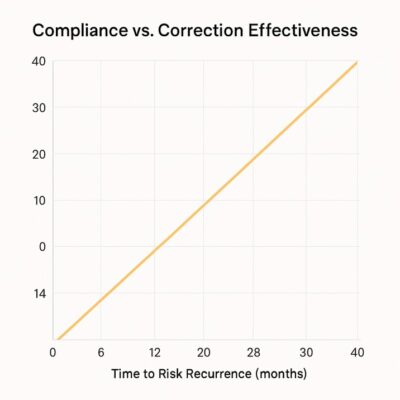
A subtle but damaging mistake lies in prioritizing compliance over correction. Some organizations focus so heavily on satisfying auditors that they forget to build resilience. They meet the letter of the law but not the spirit of sustainable improvement.
For example, a company may document a remediation plan to fix a data privacy breach, check every regulatory box, and submit it to authorities—yet fail to improve data retention architecture or incident response workflows. When the next breach occurs, the same cycle repeats, revealing a compliance mindset rather than a corrective one.
In the long run, remediation plans should aim for prevention through learning, not simply validation through paperwork. Compliance is the floor; improvement is the ceiling.
The Silence After Implementation
Even the most comprehensive remediation plans can fail after they’re executed. Why? Because there’s no ongoing monitoring. Many organizations treat remediation as a project with an end date rather than a cycle of improvement. Once the plan is signed off, teams move on—leaving progress unverified.
Monitoring is what turns temporary success into permanent stability. Without periodic audits, KPIs, and cultural reinforcement, most corrective actions fade. According to industry data, 47% of implemented remediation actions lose effectiveness after one year when not monitored.
Final Words
The path toward effective remediation plans begins with humility—acknowledging that mistakes are part of the process. Each failure becomes a data point for improvement. Organizations that treat remediation as a learning mechanism, rather than a punitive task, evolve faster and maintain stronger reputations.
By avoiding rushed fixes, engaging stakeholders, contextualizing data, addressing behavior, focusing on correction, and maintaining follow-up, leaders can transform remediation plans into long-term strategic tools.
Remediation isn’t about erasing the past—it’s about redesigning the future. Companies that embrace this mindset not only recover from setbacks but become stronger and more trustworthy. The ultimate goal is not perfection but adaptability—knowing that each challenge refines the organization’s capability to respond intelligently, transparently, and sustainably.

Andrea Balint is a writer and researcher focused on human behavior, workplace psychology, and personal growth. Through her work at CareersMomentum, she explores how mindset, leadership, and emotional intelligence shape modern careers. With a background in communication and HR development, she transforms complex ideas into practical insights that help readers build clarity, confidence, and professional purpose.