
The rise of social work psychology as a specialized discipline represents this evolution—a bridge between therapeutic understanding and community-based intervention. At its core, social work psychology focuses not only on treating individual mental health issues but also on addressing the societal, cultural, and economic contexts that shape those struggles. The modern mental health care system thrives on this integration, transforming how professionals approach prevention, intervention, and long-term recovery.
In an era where isolation, digital overstimulation, and economic instability are fueling emotional distress, social work psychology brings a human-centered framework grounded in empathy, advocacy, and systemic awareness.
Understanding the Foundation of Social Work Psychology
The field of social work psychology is rooted in a holistic understanding of human behavior. While traditional psychology tends to emphasize the cognitive and emotional patterns within individuals, social work expands that focus to encompass the environment, relationships, and social systems that influence mental well-being. When these two worlds merge, practitioners gain a fuller picture of what drives behavior—and more importantly, how to promote healing that lasts beyond the therapy room.
The professional practicing social work psychology applies psychological principles to real-world scenarios: crisis counseling, addiction treatment, family therapy, and even policy advocacy. What makes this discipline distinct is its dual awareness—balancing empathy for personal struggles with a pragmatic drive to address structural inequities. It acknowledges that therapy alone cannot mend lives if the environment perpetuates poverty, stigma, or exclusion.
Bridging Individual Therapy and Community Healing
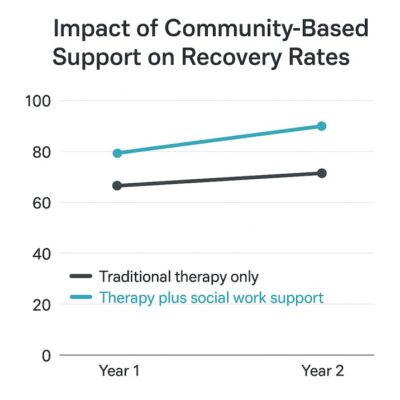
One of the most powerful roles of social work psychology lies in its ability to integrate therapy with community intervention. Mental health challenges often originate from collective stressors—economic decline, social exclusion, discrimination—and therefore demand collective solutions. A psychologist working within this framework may offer therapy sessions while also facilitating community programs that reduce stigma or improve access to care.
For instance, a social work psychologist treating a young adult with anxiety might go beyond cognitive-behavioral techniques to connect them with educational support, housing programs, or peer mentorship. This comprehensive approach ensures that treatment doesn’t end when the session does. It continues through tangible improvements in the person’s living conditions, relationships, and self-sufficiency.
The Shift Toward Preventive Mental Health
Modern mental health care increasingly emphasizes prevention, not just treatment—and social work psychology plays a leading role in this paradigm shift. Instead of waiting for crisis points, practitioners identify at-risk populations and intervene early. Schools, workplaces, and local governments now employ social work psychologists to detect the warning signs of distress before they evolve into disorders.
Teachers in schools receive training to identify behavioral indicators of depression or trauma early on. Meanwhile, HR departments in workplaces are guided toward creating environments that prioritize mental health and emotional safety. Within correctional facilities, rehabilitation programs are designed around empathy and reintegration rather than punitive measures, fostering long-term recovery and social reinclusion. This preventive scope redefines what mental health care means in the 21st century: it is no longer a private act between patient and therapist, but a public responsibility woven into the social fabric.
Addressing Stigma and Building Cultural Competence
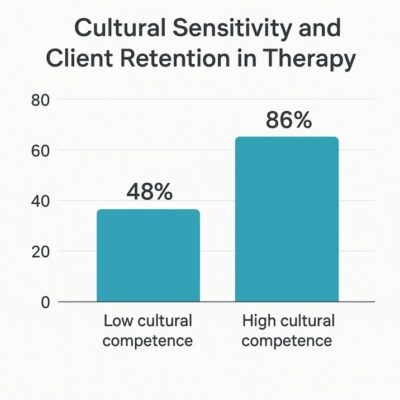
Another defining element of social work psychology is its unwavering stance against stigma. Mental health stigma remains one of the greatest barriers to care, particularly among marginalized populations. Social work psychologists are trained to challenge this stigma by fostering inclusive, culturally competent environments.
Cultural competence is not just an ethical requirement; it’s a therapeutic necessity. When professionals understand the cultural narratives of their clients—whether rooted in ethnicity, gender identity, or religion—they can tailor interventions that feel safe and authentic. A veteran might interpret trauma through the lens of duty and loss, while a refugee might express distress through physical symptoms rather than verbalized emotions. Recognizing and respecting these variations is at the heart of effective therapy.
Collaboration with Other Disciplines in Healthcare
In modern mental health systems, no discipline operates in isolation. Social work psychology serves as a vital connector between psychological science, psychiatry, medicine, and social policy. A client with bipolar disorder may require medication management from a psychiatrist, cognitive restructuring from a psychologist, and housing assistance from a social worker. When these professionals collaborate effectively, the care becomes seamless and humane.
Hospitals, schools, and nonprofit agencies increasingly hire social work psychologists precisely for their versatility. They translate complex psychological insights into actionable steps—helping caseworkers, nurses, and administrators align around a shared vision of care. The result is a health ecosystem that recognizes emotional suffering not as a failure of character but as a signal of unmet human needs.
Digital Transformation and the Future of Practice
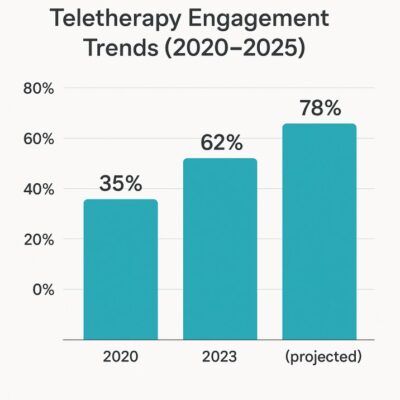
As telehealth expands, social work psychology adapts to digital spaces. Virtual therapy sessions, online community support groups, and AI-driven diagnostic tools now form part of its toolkit. Yet, the digital turn poses both opportunities and ethical challenges. Accessibility has improved, but confidentiality and relational warmth can be harder to maintain through screens.
Social work psychologists are uniquely positioned to humanize digital care. They combine empathy with technological literacy, ensuring that virtual interventions remain grounded in trust and compassion. As artificial intelligence increasingly assists diagnosis and progress tracking, human judgment and ethical grounding—core to social work psychology—will safeguard against depersonalized treatment.
The Ethical Compass of Modern Mental Health Care
Ethics is not an accessory to social work psychology—it is its foundation. Practitioners face complex moral decisions daily: balancing client confidentiality with public safety, navigating cultural conflicts, or advocating against systemic injustice. The profession’s ethical codes emphasize respect, dignity, and social justice as inseparable from clinical excellence.
In practice, that means standing up against discrimination, lobbying for equitable mental health policies, and protecting vulnerable groups from institutional neglect. It means reminding the world that care is not just a treatment but a moral act. As automation and bureaucracy increase, this ethical dimension becomes even more critical to maintaining humanity in the healing professions.
Final Words
The rise of social work psychology signifies a turning point in how society defines mental wellness. It acknowledges that healing requires both inner transformation and outer change. It’s not enough to teach coping skills if people return to unsafe environments; nor is it enough to change policies without nurturing emotional resilience.
As governments, educational institutions, and private sectors continue investing in mental health, the integrated model of social work psychology will likely become the gold standard. It doesn’t just heal individuals—it restores balance to communities, institutions, and systems that shape collective well-being.
The next decade will see social work psychologists leading initiatives in climate-related trauma response, digital mental health ethics, and equity-based care systems. Their mission is simple yet profound: to remind the world that every act of care—whether therapeutic or systemic—is a step toward social justice.

Andrea Balint is a writer and researcher focused on human behavior, workplace psychology, and personal growth. Through her work at CareersMomentum, she explores how mindset, leadership, and emotional intelligence shape modern careers. With a background in communication and HR development, she transforms complex ideas into practical insights that help readers build clarity, confidence, and professional purpose.