
Every professional has heard the timeless advice—work smarter, not harder. Yet few truly understand what it means to work smarter in a world that rewards constant activity over thoughtful strategy. Most people equate productivity with longer hours, but those who master intelligent routines know that real progress comes from precision, not exhaustion.
To work smarter is to understand the natural rhythm of your day, to position your mind and body in sync with your goals, and to turn focus into a ritual rather than a rare event. It’s about structuring time, not stuffing it. Let’s explore how shaping your daily habits around strategic awareness can transform how much you achieve and how calmly you achieve it.
Working smarter means aligning time, focus, and emotion with purpose. It replaces constant busyness with precision, combining mindful breaks, deep work, and structured routines. Productivity grows when habits support clarity and calm, proving that sustainable success comes from balance, not burnout, and from awareness rather than intensity.
The Morning Framework: Setting the Cognitive Tone
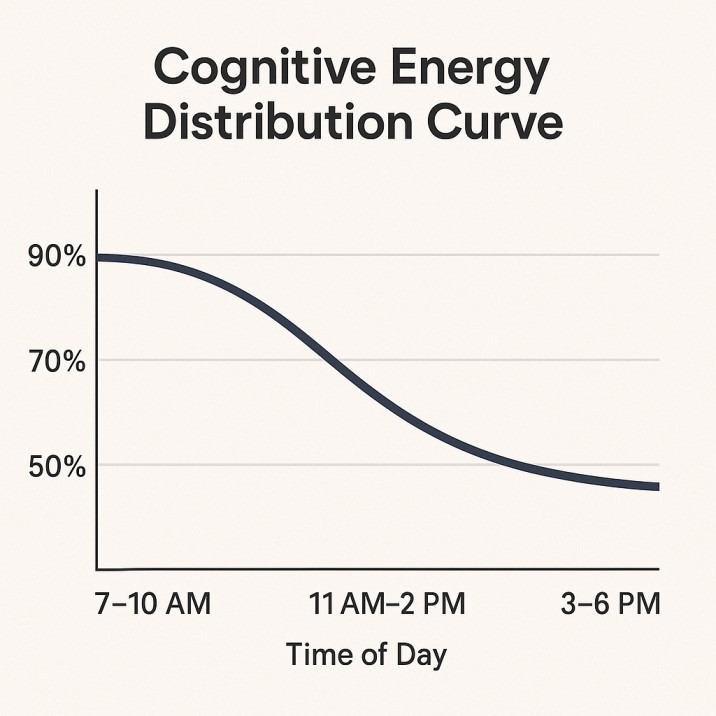
Morning is not just a time of day—it’s a neurological window. The brain’s prefrontal cortex, responsible for reasoning and decision-making, is most active in the first few hours after waking. Those who work smarter use this period not for checking emails or scrolling feeds but for tasks that require creative depth or problem-solving clarity.
The secret lies in cognitive alignment. When you start your day with activities that require high mental energy—writing, planning, or analyzing—you signal to your nervous system that focus is your default state. Once that baseline is set, distractions lose their pull.
The Midday Reset: Micro-Rest as a Strategic Tool
Contrary to popular belief, high performers don’t power through fatigue—they optimize around it. To work smarter is to recognize that the brain’s attentional span naturally fluctuates. After about 90 minutes of intense focus, cognitive decline begins. Those who schedule brief pauses—five to ten minutes of mental stillness—actually regain sharper focus for the next task.
These aren’t indulgent breaks; they are part of the work design. Neuroscience calls this “ultradian rhythm recovery,” and it allows the mind to clear out excess stress hormones while improving memory consolidation. Over time, this small adjustment turns average professionals into consistent performers.
The Environment Equation: Architecture of Attention
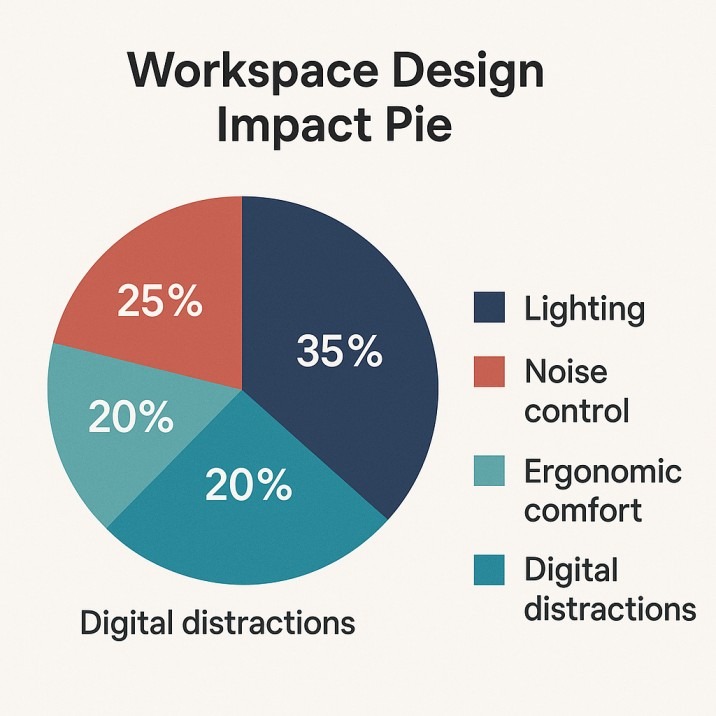
A cluttered environment is not just visually distracting—it’s cognitively taxing. Every object in your visual field competes for your brain’s attention. To work smarter means to design your workspace as if it were a tool. Minimalism, in this sense, is not aesthetic but functional.
Lighting, background noise, and posture all play invisible roles in mental output. Studies show that natural light exposure boosts serotonin and alertness, while even a subtle change in desk angle can alter focus duration. Those who understand this transform their surroundings into quiet partners in success.
Emotional Calibration: The Invisible Productivity Factor
Working smarter also means mastering your emotional environment. Productivity is not a mechanical function—it’s emotional coherence. Stress fragments attention, while calm sustains it. People who work smarter practice emotional self-regulation as part of their daily system.
Techniques such as mindful breathing between tasks, gratitude journaling before starting the day, or intentionally scheduling moments of silence can drastically reduce emotional noise. This creates what psychologists call “meta-awareness”—the ability to observe one’s state without being trapped in it.
The Deep Work Ritual: When Distraction Is Not an Option
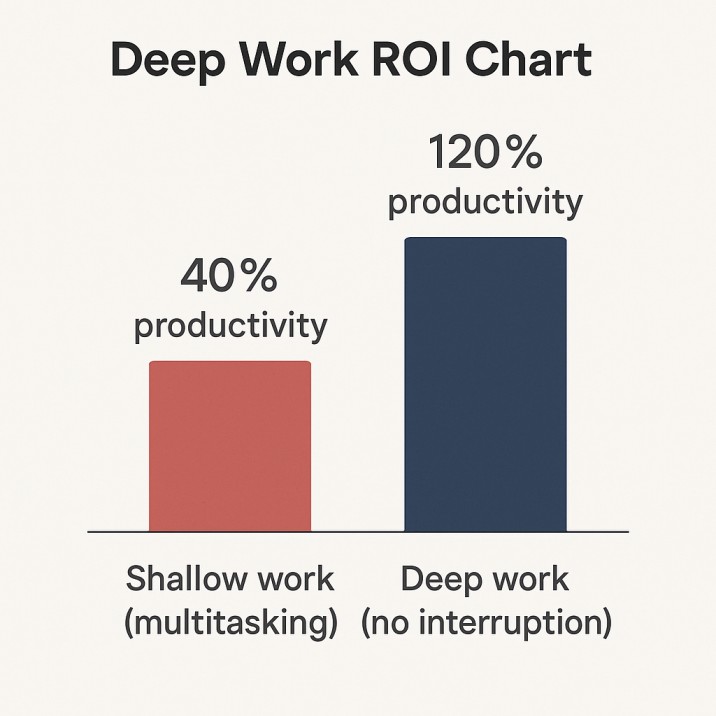
One of the most critical components of working smarter is cultivating deep work—the undisturbed, high-intensity focus that yields disproportionate results. Deep work isn’t about duration but depth. When you work smarter, even a single 90-minute block of undistracted time can achieve what scattered hours cannot.
Turning off notifications, setting visual cues like a “focus light,” or using noise-canceling soundscapes are small adjustments that create mental sanctuaries. The human brain thrives on clarity; when input noise drops, creative output spikes.
To work smarter, many professionals also adopt “entry rituals” that condition the mind to associate certain cues with focus. This could be as simple as starting a session with a specific playlist or lighting a candle. Consistency breeds neuro-association—the more you pair ritual with focus, the easier focus becomes.
The Decision Filter: Simplifying Mental Overload
Decision fatigue is the silent killer of productivity. Every choice—what to wear, what to eat, when to reply—drains cognitive fuel. To work smarter, one must automate the trivial. This doesn’t mean living like a robot but reducing friction for recurring decisions.
When routines become automatic, your mental resources stay reserved for innovation and strategy. The best thinkers don’t waste energy on micro-decisions—they conserve it for creative execution. The formula is simple: the fewer unnecessary decisions you make, the sharper the ones that matter.
The Evening Shutdown: Declaring Psychological Closure
The end of the workday often bleeds into the night for those who equate busyness with dedication. However, individuals who work smarter understand that mental shutdown is part of sustainable productivity. They practice what organizational psychologists call “psychological detachment”—the deliberate act of signaling to the mind that the work cycle is complete.
This could involve journaling unfinished tasks, setting intentions for tomorrow, or reviewing wins of the day. Such rituals help the subconscious relax, which in turn accelerates creative recovery during sleep,
Final Words
Ultimately, the goal isn’t to pack more into your calendar—it’s to remove what doesn’t belong. To work smarter means aligning personal energy, environmental cues, and emotional rhythms into a seamless flow. It’s not a sprint but a cyclical system where rest is as valuable as effort.
Each day becomes an experiment in balance—where awareness, not intensity, becomes the compass. Those who internalize this truth experience a paradoxical outcome: they achieve more by doing less because every action aligns with purpose.
In the end, to work smarter is to live strategically. It’s an art form that blends discipline with empathy, structure with freedom, and momentum with meaning. Once mastered, it doesn’t just maximize output—it redefines success itself.

Andrea Balint is a writer and researcher focused on human behavior, workplace psychology, and personal growth. Through her work at CareersMomentum, she explores how mindset, leadership, and emotional intelligence shape modern careers. With a background in communication and HR development, she transforms complex ideas into practical insights that help readers build clarity, confidence, and professional purpose.